Cold brew and iced coffee are not the same drink
This is worth thirty seconds before you buy, because it decides which of the picks above is right. The National Coffee Association draws the line plainly: iced coffee is “brewed hot using a standard method, then cooled down”, while cold brew never meets hot water at all — coarse grounds sit in room-temperature or cooler water for around twelve hours and are then strained.
The difference the recipient will notice is character. Hot-brewed coffee poured over ice keeps its acidity and its brightness; cold brew comes out rounder, heavier and noticeably less sharp, which is why it takes milk and sugar so well and why cafes sell so much of it. Neither is better. But if the person you are buying for orders cold brew specifically, a cold brew maker is the gift. If they order “iced coffee” and mean the regular stuff over ice, they may already own everything they need to make it, and the tumbler, the glasses or the ice tray are the better present. Our cold brew guide walks through the method and the ratio if you want to hand them the gear and the instructions together.
Why the concentrate matters more than the machine
The reason a cold brew maker is the top pick is not that it is clever. It is that it brews a concentrate rather than a finished drink. The NCA puts cold brew at roughly one part coffee to four or five parts water, which is several times the strength of a normal cup. What comes out of the carafe is not iced coffee yet; it is the ingredient you cut with water, milk or ice to make iced coffee, and that is precisely what stops the result tasting thin.
It is also the practical case for the gift. One brew makes several days of coffee that lives in the fridge and takes fifteen seconds to serve, so somebody buying a cafe iced coffee most mornings gets the cost of the maker back quickly — which is a rare thing to be able to say honestly about a present. If you want the full comparison of pitchers, filters and switch-and-drain systems, our best cold brew coffee makers roundup covers every format side by side. This page only carries the one we would put in a gift bag.
The dilution problem, and the cheapest fix on this page
Here is the thing no gift guide mentions. You build a good iced coffee, you drink a third of it, you get distracted, and the rest of the glass turns into cold brown water. The ice is not a neutral ingredient — it is a slow leak of water into the drink, and the smaller the cubes, the faster it leaks.
There are two real fixes and both are on this list. The first costs almost nothing: freeze leftover coffee into cubes, so the thing melting into the drink is more coffee instead of water. Standard freezer trays make small cubes with a lot of surface area, which is the opposite of what you want, and an uncovered tray of frozen coffee will happily take on the smell of everything else in the freezer. A lidded tray with large cubes solves both at once, and it is the pick we would add to any of the others to turn a single item into a considered present.
The second fix is to start stronger, which brings you back to concentrate. Between a large-cube tray and a jug of concentrate, the usual complaint about homemade iced coffee mostly disappears.
The tumbler is the gift they touch every day
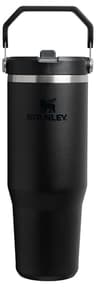
If you only buy one thing and you want it used in front of you, buy the tumbler. An iced coffee is sipped over an hour or two at a desk or in a car, which makes the requirements different from a hot travel mug in every respect: a straw rather than a sip lid, considerably more volume because half of it is ice, and cold retention measured in a working day rather than a commute.
The straw is not a detail. Watch how anyone actually drinks iced coffee and it is through a straw, every time — which is why a beautiful insulated hot-coffee mug is a slightly wrong gift for this person and a 30 oz flip-straw tumbler is a bullseye. Stanley publishes cold retention of twelve hours, and two days with ice still in it, so a drink built at eight in the morning is still cold at the end of the afternoon. If they switch between hot and cold depending on the season, our best travel coffee mugs guide covers the sealed hot-drink options instead.
If they take it milky: cold foam, for about ten dollars
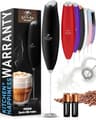
A large share of iced coffee orders are not black coffee over ice. They are cold coffee with something creamy on top, and the cafe version of that is cold foam — milk whipped cold until it is thick enough to sit on the surface of the drink rather than mixing straight in.
You do not need a machine for it. A handheld battery whisk in a jug of cold milk for twenty or thirty seconds produces a genuinely good approximation, and it is the cheapest item on this page by a distance. It is not a main present — it is the thing you add to the coffee or the cold brew maker so the parcel has a small surprise in it. If the milk side is really the point for them, our best milk frothers guide covers the electric options that handle hot and cold properly.
Buying the coffee itself: grind is the whole decision
A bag of coffee is a safe gift for this person, with one condition attached. Immersion brewing needs a coarse grind — the NCA describes it as “like rock salt” — and a normal supermarket grind turned loose in a cold brew filter produces sludge and a muddy, bitter result. So either buy coffee already ground coarse for cold brew, or buy whole beans and be certain they own a grinder that goes that coarse.
Coarse pre-ground is the safer gift and we are comfortable saying so, even though whole bean is the better coffee. The honest trade-off is freshness: the NCA puts ground coffee at one to two weeks of useful life against one to three weeks for whole beans, so a pre-ground bag wants to be used rather than shelved. For the full set of options, including which roast levels hold up against milk and ice, best coffee for cold brew goes bag by bag, and how to store coffee beans covers keeping the last of it as good as the first.
Matching the gift to how they actually drink it
Four quick cases, because the right answer changes completely depending on which one you recognize.
They buy iced coffee out every day. Give them the cold brew maker with a bag of coarse-ground coffee. It is the pick with the clearest payback and the one most likely to change a routine.
They already make it at home.They do not need another brewer. Give them the tumbler, or the ice tray plus the glasses — upgrades to a system that already works, which beats a duplicate of something already in the cupboard.
You have never seen their kitchen. Give them the boxed concentrate. It needs no equipment, no grinder and no counter space, it works in a dorm or an office, and if they do not like it they have lost nothing but a week of fridge space.
They order an iced latte, not an iced coffee. That is an espresso drink wearing a different hat. The frother plus a bag of espresso coffee is the cheap version; the real version is a machine, and that is on gifts for espresso lovers.
What we deliberately left off
No syrup sets. Flavored syrup is a strong personal taste presented as a safe gift, and the person who wanted vanilla syrup bought vanilla syrup a long time ago. No plastic tumblers with slogans on them either — that is the cupboard-shelf category.
We also left off two things that look right for this list and are not. Nitro cold brew rigs, which need cartridges the recipient then has to keep buying forever, and appliances that flash-chill a hot brew: the method itself is legitimate and free, since it is simply brewing hot onto ice, but the gadget version is a lot of money for something a dripper and a tray of cubes already do. And no pre-made hamper — if that was the plan, read coffee gift baskets first, because two items from this page beat a basket at the same price. For the general rules, how to choose a coffee gift has the five questions that narrow any coffee gift down fast.
One gift to think twice about
A milk frother is the intuitive present for someone who drinks iced lattes, and it is the one piece of equipment the drink does not use: an iced latte takes cold milk straight from the fridge, because steamed milk collapses when it is chilled. Ice, an insulated tumbler and the right beans are the gifts that get used. How to make an iced latte explains why, and what to buy instead.