A note on the cap, and on the prices above
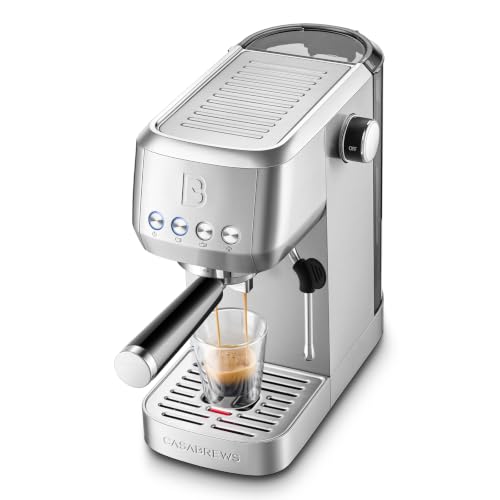
Our prices are pulled live from Amazon and stamped with the date they were read, which is the only honest way to run a page with a number in the title. One consequence: the Bambino sits almost exactly on the $300 line. It has been at or just under the cap through the period we have been tracking it, but it is the one pick here that could cross it, and the button next to it will always tell you the truth rather than what we typed when we wrote this. Everything else on the list has meaningful headroom.
What under $300 actually gets you
A real pump and a real basket
All four electric machines here pump water through the coffee under pressure, which is the definition of espresso the National Coffee Association uses. That is the baseline, and it is genuinely met at $100. What you get as you spend more is not “more pressure” — it is temperature stability, speed, and how much the machine fights you.
Fast heat-up, at the top of the range
The single most noticeable difference between the cheapest machine here and the most expensive is how long you wait. A ThermoJet-style heater is at temperature in seconds; a small boiler takes minutes and then needs more time between the shot and the steam. On a weekday morning that gap is what decides whether a machine gets used.
Pressurized baskets, and why they are not a scandal
Cheaper machines usually ship with a pressurized (dual-wall) basket, which adds back-pressure at the outlet so that a slightly-wrong grind still produces something that looks like espresso with crema on top. Enthusiasts are sniffy about this. For a gift it is a genuine feature: it widens the window in which an inexperienced person gets a drinkable shot, and it means a cheap grinder is survivable. The trade is that the ceiling is lower — a pressurized basket will not reward a great grinder the way an unpressurized one does.
What you do not get
Not a built-in grinder — the cheapest machine with a decent one built in is far above this cap; see our Barista Express review for that route. Not automatic milk texturing, which starts with the Bambino Plus. And not a 58mm commercial portafilter, which is where the Gaggia Classic Evo Pro starts.
How to split the money
Here is the arithmetic we would actually use, for a total gift budget of about $300 to $400 including grinding.
- Around $200 total.An ultra-budget machine at about $100 and a hand grinder at about $70–$100. Not glamorous, genuinely works.
- Around $300 total.A machine at $120–$150 and a proper espresso-capable hand grinder. This is the best coffee-per-dollar combination on this page and the one we recommend most often.
- Around $450–$500 total. The Bambino at the cap plus a hand grinder, or the Dedica plus an electric espresso grinder. This is where a first espresso setup stops feeling like a compromise.
For which grinder, best manual coffee grinders is the page to read at this budget — a hand grinder in the $70–$150 band genuinely outperforms electric grinders costing several times more, at the cost of a minute of arm work. If an electric grinder is non-negotiable, Encore vs Encore ESP explains why only one of the two obvious Baratza options goes fine enough for a portafilter.
The two manual options, and who they suit
Two of the picks above have no electricity at all: a collapsible lever press and a hand-pumped portable maker. They belong on this page because at this budget they make a serious argument — you can spend $65 to $170 on the brewing device and put a much larger share of the total into the grinder, which is where the quality actually lives.
The catch is effort and audience. Both require you to heat water separately, both reward a good grinder and punish a bad one, and neither is something you hand to somebody who wants coffee before they have properly woken up. They are excellent gifts for a traveler, a camper, an office desk with a kettle, or anybody who enjoys the process. Our best portable espresso makers covers the whole category including the battery-powered options.
What to skip under $300
Skip anything advertising a very high bar number as its headline feature. Nine bars is the pressure espresso is actually brewed at; a machine promising 15 or 20 is describing its pump’s maximum, not what reaches the coffee, and it tells you nothing useful about the machine.
Skip combination machines that try to be a drip maker and an espresso machine at once at this price — they generally do neither well. And skip buying a machine at all for somebody who orders a plain filter coffee or a mug of drip every morning; one of the brewers on our best coffee makers list will make them far happier for a third of the money, and coffee vs espresso is the quickest way to work out which of the two they actually drink.
What else to put in the box
Beans roasted for espresso, first — a light filter roast is hard work on a new machine, and best coffee beans for espresso lists the forgiving ones. A tamper if the machine ships with a plastic one, which most at this price do. A milk jug if they drink lattes; a cheap milk frother if the machine’s wand is the compact kind that takes practice.
And set expectations in the card. The first week of a new espresso machine is usually bad, and it is almost always the grind rather than the machine — why does my espresso taste bitter walks through the causes in the order worth checking, and how to make espresso at home is the page to send them on day one.