Drip & Dose

The Best Vietnamese Coffee Filters (and the Coffee That Belongs in Them)

A phin is a small metal filter that sits on top of the glass and drips. No paper, no power, nothing to descale, and the whole setup costs less than a bag of specialty beans.

By Stephen V.Last updated How we choose

Most coffee gifts are a bet that someone wants a new hobby. This one is not. A Vietnamese phin filter is a four-part metal cup that sits on top of a glass: you put ground coffee in it, press it down with the insert, pour hot water on top, and walk away while it drips. There is no paper filter, no electricity, no kettle stand, no carafe and nothing that can scale up and fail in two years.

It is also, at $11 to $18, the cheapest genuinely different brewer you can give somebody. That is the gift case in one line: for the price of a novelty mug, the recipient gets a brewing method they have probably ordered in a restaurant and never made, and the whole thing fits in a drawer.

Below: three phins — the traditional cheap one, a stainless-steel one for a real kitchen, and a large one for iced — plus the ground coffee that is actually built for this method, a supermarket stand-in for refills, and the glass that makes the drink look like the version they remember. Every pick carries a live price and an honest reason to skip it. If a brewer is the wrong direction entirely, our guide to choosing a coffee gift narrows it down faster.

How this is funded: we earn a commission if you buy through our links, at no extra cost to you. It never changes which gift we recommend, and we’ll tell you plainly when to skip one. Full disclosure.

Quick picks

Sorted by who each one suits, with a live price you can act on. Tap a row to jump to the full write-up. We haven’t lab-tested these — here’s exactly what we do instead.

#ProductBest forPrice
1
Thang Long Vietnamese Coffee Filter Set, 8 oz

Thang Long Vietnamese Coffee Filter Set, 8 oz

The cheapest way to own a real phin rather than an approximation of one. It is a four-part metal filter with a gravity insert — a loose disc that rests on the grounds under its own weight — and it makes the thick, slow-dripping coffee the drink is built on with nothing else plugged in.

Best overall, and the cheapest real one
$10.95 · View on Amazon

Price as of October 22, 2026. #ad How we’re funded

2
Birdee Vietnamese Coffee Dripper, 12 oz (stainless steel)

Birdee Vietnamese Coffee Dripper, 12 oz (stainless steel)

The phin to buy if the gift has to survive a real kitchen. The listing states stainless steel and dishwasher safe, which is the difference between a filter that gets used for years and one that stains, dents and ends up in a cupboard.

Best stainless steel for everyday use
$14.99 · View on Amazon

Price as of October 22, 2026. #ad How we’re funded

3
Birdee Vietnamese Coffee Dripper, 16 oz (stainless steel)

Birdee Vietnamese Coffee Dripper, 16 oz (stainless steel)

The same stainless dripper in the large size, and the one to buy if iced is the point. Vietnamese iced coffee is brewed strong and then poured over a full glass of ice, so the extra capacity is not greed — it is what stops the drink arriving as pale coffee water.

Best for iced coffee or two cups
$17.99 · View on Amazon

Price as of October 22, 2026. #ad How we’re funded

4
Trung Nguyen Legend Premium Blend Ground Coffee (425 g can)

Trung Nguyen Legend Premium Blend Ground Coffee (425 g can)

The coffee the brewer is designed around. The listing describes a robusta and arabica blend given a full city roast with low acidity and chocolate aromatics — which is the profile that stands up to sweetened condensed milk instead of disappearing into it.

Best coffee to put in it
$18.99 · View on Amazon

Price as of October 22, 2026. #ad How we’re funded

5
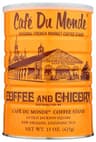
Cafe Du Monde Coffee with Chicory, Ground (15 oz)

Cafe Du Monde Coffee with Chicory, Ground (15 oz)

Not Vietnamese coffee, and we are not going to pretend it is — it is the New Orleans chicory blend that happens to behave the same way in a phin: dark, thick and sweet-leaning, built for the same condensed-milk treatment. It is also in most supermarkets, which matters when the gift needs a refill.

Best supermarket stand-in
$16.47 · View on Amazon

Price as of October 22, 2026. #ad How we’re funded

6
Bodum Pavina Double Wall Glasses, Set of 2 (15 oz)

Bodum Pavina Double Wall Glasses, Set of 2 (15 oz)

Borosilicate glasses with an air gap between the walls, so a latte appears to float and the outside stays cool enough to hold. They are the reason cafe drinks look better than the same drink in a mug.

Best glass to serve it in
$29.99 · View on Amazon

Price as of October 22, 2026. #ad How we’re funded

The picks in full

#1Best overall, and the cheapest real one

Thang Long Vietnamese Coffee Filter Set, 8 oz

The cheapest way to own a real phin rather than an approximation of one. It is a four-part metal filter with a gravity insert — a loose disc that rests on the grounds under its own weight — and it makes the thick, slow-dripping coffee the drink is built on with nothing else plugged in.

Great gift for: For someone who orders Vietnamese iced coffee out and has never thought of making it at home. Pair it with a can of ground Vietnamese coffee and the gift is complete for under $30.

What’s good

  • A gravity insert instead of a screw press, which is the traditional design and the harder one to jam
  • Sized for one glass, so there is no half-full carafe going cold
  • No paper filters, no electricity, nothing to descale
  • Small enough to live in a drawer or a suitcase

Worth knowing

  • The listing does not state the material, so we do not claim one
  • A gravity insert needs the grind right — too fine and it stalls, too coarse and it floods
  • Brews one glass at a time; for two people it is two rounds
  • Skip it for someone who wants coffee in ninety seconds — a phin takes four to five minutes to drip
TypeVietnamese phin drip filter
Size8 oz (per listing)
InsertGravity insert — a loose press disc (per listing)
MaterialNot published on the listing

Specs read from the product listing, on October 22, 2026. Prices are pulled live and dated on the button.

#2Best stainless steel for everyday use

Birdee Vietnamese Coffee Dripper, 12 oz (stainless steel)

The phin to buy if the gift has to survive a real kitchen. The listing states stainless steel and dishwasher safe, which is the difference between a filter that gets used for years and one that stains, dents and ends up in a cupboard.

Great gift for: For the person who will actually make this twice a week. Stainless and dishwasher safe means nobody has to care for it, which is what decides whether a cheap brewer stays on the counter.

What’s good

  • Stainless steel and dishwasher safe, both per the listing
  • 12 oz is enough for a full glass with ice and condensed milk underneath
  • The listing names travel and camping use, so it packs
  • Costs less than most single pour-over drippers

Worth knowing

  • Stainless holds heat differently from a thin aluminum phin — warm it with a splash of hot water first
  • The listing does not publish the hole size or the insert type, so we do not describe either
  • Still a one-glass brewer, like every phin
  • Skip it if they want an unmistakably traditional-looking object — this one reads modern
TypeVietnamese phin drip filter
Size12 oz (per listing)
MaterialStainless steel (per listing)
CareDishwasher safe (per listing)

Specs read from the product listing, on October 22, 2026. Prices are pulled live and dated on the button.

#3Best for iced coffee or two cups

Birdee Vietnamese Coffee Dripper, 16 oz (stainless steel)

The same stainless dripper in the large size, and the one to buy if iced is the point. Vietnamese iced coffee is brewed strong and then poured over a full glass of ice, so the extra capacity is not greed — it is what stops the drink arriving as pale coffee water.

Great gift for: For the iced-coffee drinker. The 12 oz version is the right gift for someone who drinks it hot in a small glass; this is the one for the person whose coffee is always over ice.

What’s good

  • Stainless steel and dishwasher safe, both per the listing
  • The large size brews enough concentrate to survive a full glass of ice
  • Doubles as the two-small-cups option without brewing twice
  • Same price bracket as the small one, so capacity costs almost nothing

Worth knowing

  • A bigger bed of coffee drips slower — expect five minutes or more
  • Overkill for one small hot cup, where the 12 oz is the better fit
  • The listing does not publish a weight or dimensions, so we do not state them
  • Skip it if they only ever drink one short, hot glass
TypeVietnamese phin drip filter
Size16 oz (per listing)
MaterialStainless steel (per listing)
CareDishwasher safe (per listing)

Specs read from the product listing, on October 22, 2026. Prices are pulled live and dated on the button.

#4Best coffee to put in it

Trung Nguyen Legend Premium Blend Ground Coffee (425 g can)

The coffee the brewer is designed around. The listing describes a robusta and arabica blend given a full city roast with low acidity and chocolate aromatics — which is the profile that stands up to sweetened condensed milk instead of disappearing into it.

Great gift for: Buy this with the filter. A phin and a bag of light single-origin beans is a mismatched present; a phin and a can of this is the actual drink.

What’s good

  • Robusta in the blend, which is what makes the cup heavy enough to carry condensed milk
  • Full city roast with low acidity, per the listing — no sharpness to fight the sugar
  • Sold pre-ground, so no grinder is needed for the gift to work
  • A sealed can rather than a bag, so it travels and stores well

Worth knowing

  • Pre-ground, so it is at its best in the first few weeks after opening
  • The listing does not publish a grind size, so check it suits a phin before relying on it
  • Robusta carries noticeably more caffeine than arabica — not an evening coffee
  • Skip it for someone who drinks bright light roasts black; this is the opposite of that cup
TypeGround coffee
BlendRobusta and arabica (per listing)
RoastFull city, low acidity (per listing)
Size425 g can (per listing)

Specs read from the product listing, on October 22, 2026. Prices are pulled live and dated on the button.

#5Best supermarket stand-in

Cafe Du Monde Coffee with Chicory, Ground (15 oz)

Not Vietnamese coffee, and we are not going to pretend it is — it is the New Orleans chicory blend that happens to behave the same way in a phin: dark, thick and sweet-leaning, built for the same condensed-milk treatment. It is also in most supermarkets, which matters when the gift needs a refill.

Great gift for: The practical second can. Hand over the phin with a Vietnamese roast and this alongside it, so they can keep making the drink from a shelf they already walk past.

What’s good

  • Chicory gives the same heavy, slightly sweet body the drink is built on
  • Widely stocked, so the habit does not depend on reordering online
  • Pre-ground and cheap per ounce
  • The same can works in a drip machine, so nothing is wasted if the phin stalls

Worth knowing

  • It is a Louisiana chicory blend, not a Vietnamese coffee — the page says so rather than blurring it
  • Chicory is divisive: some drinkers read it as woody rather than sweet
  • Pre-ground, and the grind is set for drip rather than for a phin
  • Skip it for a specialty-coffee drinker, who will taste the chicory and not want it
TypeGround coffee with chicory
Size15 oz (per listing)
GrindGround (per listing; grind size not published)
Best forPhin, drip or a cup of coffee with milk

Specs read from the product listing, on October 22, 2026. Prices are pulled live and dated on the button.

#6Best glass to serve it in

Bodum Pavina Double Wall Glasses, Set of 2 (15 oz)

Borosilicate glasses with an air gap between the walls, so a latte appears to float and the outside stays cool enough to hold. They are the reason cafe drinks look better than the same drink in a mug.

Great gift for: For the person whose coffee ends up on Instagram — layered lattes and cold brew look genuinely good in these.

What’s good

  • Double-wall insulation keeps drinks hot and the glass cool to hold
  • Works for hot and iced drinks alike
  • Shows the layers in a latte or a cold brew

Worth knowing

  • Glass, and thin glass at that — they do break
  • Skip it for a clumsy household or a busy office kitchen
TypeDouble-wall borosilicate glass
Capacity15 oz each
Set2 glasses

Specs read from the product listing, on August 11, 2026. Prices are pulled live and dated on the button.

What a phin actually is

Four parts, and once you have seen them the method explains itself:

  • The chamber — a small metal cup with a perforated base. The coffee goes in here.
  • The insert — a perforated disc that sits on the coffee and holds the bed down so water passes through it evenly instead of churning it.
  • The saucer — the base the chamber sits in, which rests on the rim of the glass and catches drips.
  • The lid — keeps the heat in during the four or five minutes it takes to drip.

Mechanically it is a drip brewer with a metal filter and no paper, which puts it between a pour-over cone and a French press in both technique and result. Metal passes the coffee’s oils and some fine particles the way a press does, so the cup is heavy and a little sedimented rather than clean and defined — the same filter argument we work through in French press vs drip coffee. What is unusual is the rate: the insert slows the water to a drip, so a phin produces a very small amount of very concentrated coffee. That concentration is not an accident. It is what lets the drink survive sweetened condensed milk underneath it and a full glass of ice on top.

How we picked, in the order the criteria matter

1. Gravity insert or screw press

The first real decision. A gravity insert is a loose disc that rests on the grounds under its own weight; a screw press threads down to compress them. Gravity is the traditional design and the more forgiving one — nothing to over-tighten, nothing to seize — but it demands the grind be roughly right. A screw press gives more control over flow and more ways to stall the brew completely. Our top pick uses a gravity insert, which is the right default for someone who has never used one.

2. Will it survive a real kitchen?

The cheap phins are thin metal and they dent, stain and bend if they are treated like a mug. Where a listing states stainless steel and dishwasher safe — as both Birdee picks do — that is worth the few extra dollars for a gift, because the thing that decides whether a $12 brewer stays on the counter is whether anybody has to care for it.

3. Size, which is really about ice

A phin brews one glass at a time, so capacity decides which drink it is for. A small chamber makes a short, hot, syrupy cup. A large one makes enough concentrate to pour over a full glass of ice without the drink arriving pale. If you know they order it iced, buy the large one — this is the single most common sizing mistake in the category.

4. The coffee matters more than the filter

More than on almost any other brewer. A phin brewed with a bright light roast makes a thin, sour cup; the method is built around a dark, low-acid, robusta-forward coffee with enough body to carry sugar and milk. That is why two of the six picks on this page are coffee rather than hardware, and why we would rather sell somebody a $11 filter and an $19 can of the right grounds than a $30 filter on its own.

5. The glass is part of the drink

Vietnamese iced coffee is visually layered — condensed milk at the bottom, dark coffee above it — and that is lost in an opaque mug. A clear double-walled glass shows the layers and keeps an iced drink cold without sweating all over the table, which is why the sixth pick is a pair of glasses rather than more gear.

How to use one, in six steps

Nothing here is specific to a brand. The figures are the National Coffee Association’s own general brewing guidance applied to a very small vessel: their Golden Ratio of one to two tablespoons of ground coffee per 6 fl oz of water, and water just off the boil rather than at it — 195 to 205 °F (about 93 °C). A tablespoon is 15 mL and 6 fl oz is about 180 mL on NIST’s kitchen equivalents, which is all the arithmetic this needs.

  1. Rinse the phin with hot water first and tip it out. Thin metal sheds heat fast, and a cold phin makes a weak first cup. Stainless needs this more than aluminum, not less.
  2. Add the coffee. Two to three tablespoons for a small chamber. A phin is brewed deliberately strong, so lean to the high end of the ratio rather than the low.
  3. Level it and settle the insert. Shake the chamber flat before the disc goes on. An uneven bed is the main cause of water finding one channel and running straight through.
  4. Bloom it. Pour just enough hot water to wet the grounds — a tablespoon or two — and wait about thirty seconds. The bed swells and seals, which is what sets up the slow drip.
  5. Fill, lid on, walk away. Top it up and cover it. Expect four to five minutes of dripping, longer on a large chamber. Do not stir, do not press, do not lift the insert to check.
  6. Stir and serve. Hot: into the glass as it is, or onto a spoonful of sweetened condensed milk and stirred. Iced: brew onto the condensed milk, stir until combined, then pour the whole thing over a glass that is already full of ice. Ice added afterwards melts into the drink instead of chilling it.

Troubleshooting, because a phin fails in exactly three ways

  • It drips through in under a minute and the coffee is thin. The grind is too coarse, or the bed was not level. Vietnamese pre-ground coffee is milled for this filter; a home grinder set for drip is usually too coarse. Go finer, in small steps — our grind size guide has the reference points.
  • It stops dripping entirely. Too fine, too much coffee, or a screw press tightened too hard. Back the insert off, or use less coffee next time. A stalled phin cannot be rescued mid-brew.
  • It tastes bitter and ashy rather than sweet and heavy. Usually fully boiling water. The NCA puts the brewing window just below the boil for a reason; at a rolling boil you strip the coffee rather than extract it. Let the kettle sit for thirty seconds first.

Why this coffee is so strong, and who should be careful

Two reasons compound. The first is the brew: a phin produces a small volume of concentrate, so there is far more dissolved coffee per mouthful than in a mug of drip. The second is the bean. Vietnamese-style coffee leans on robusta rather than arabica, and the NCA describes robusta as having strong, bold flavors with bitter undertones and carrying about 50 to 60 percent more caffeine than arabica — which is exactly why it works under condensed milk, and exactly why one glass can land harder than expected.

In practice: this is a morning drink, it is not the gift for a caffeine-sensitive recipient, and the iced version is deceptively easy to drink quickly. If caffeine is a concern for the person you are buying for, how much caffeine is in coffee puts the numbers in context, and a decaf is the better present.

A phin against the brewers it competes with

Against a moka pot: both make a small, intense cup, but the moka pot needs a stove, builds pressure and is the fussier object — see our moka pot roundup. The phin is slower and completely passive.

Against an AeroPress: the AeroPress is faster, more versatile and more forgiving, and it is the better all-round travel brewer. The phin does one drink extremely well and costs a third as much.

Against a pour-over cone: a pour-over needs a kettle with a spout, attention for three minutes and paper filters on hand. A phin needs none of those, which is the whole appeal as a gift — nothing to buy again, nothing to learn to pour.

Against an espresso machine: not a real comparison, and we will not pretend otherwise. A phin makes concentrated drip coffee, not espresso — no pressure, no crema, no 25-second shot. If that is what they want, see beginner espresso machines.

Who this is the right gift for

  • Anyone who orders Vietnamese iced coffee out. They have almost certainly never considered making it, and the barrier is a $12 object.
  • A student or a first apartment. No electricity, nothing to break, nothing to replace. See coffee gifts for students.
  • Someone who already owns too much coffee gear. This is one of very few brewers a well-equipped person genuinely will not have.
  • A traveler or a camper. It packs flat-ish, needs no filters and no power — the same logic as our travel brewer picks, at a quarter of the price.
  • An iced-coffee drinker. A phin makes concentrate, which is what iced coffee actually needs — compare the twelve-hour route in cold brew.

And who it is the wrong gift for

Anyone who wants coffee in ninety seconds. Five minutes of dripping is the point of a phin and the dealbreaker for a weekday morning in a hurry — that person wants a pod machine or a drip maker. It is also the wrong gift for a light-roast specialty drinker: the method does not flatter a delicate coffee, and handing one to somebody who buys single-origin Ethiopian beans is giving them a brewer their coffee does not suit. And it makes one glass at a time, so a household that drinks a pot together should look at a full-size machine instead.

Frequently asked questions

What is a Vietnamese coffee filter called?

A phin. It is a small four-part metal drip filter — chamber, perforated insert, saucer and lid — that sits directly on top of the glass or cup. Amazon listings often call it a Vietnamese coffee maker, dripper or press, which are all the same object.

Do you need special coffee for a phin filter?

Not strictly, but it makes a large difference. The method is built around a dark, low-acid, robusta-forward coffee ground fairly fine, which is why Vietnamese-style pre-ground coffee is sold milled for this filter. A bright light roast brewed in a phin tends to come out thin and sour, and a coarse drip grind runs straight through.

How long does a phin take to brew?

About four to five minutes for a small chamber, longer for a large one. If it finishes in under a minute the grind is too coarse or the coffee bed was uneven; if it stops dripping altogether the grind is too fine, there is too much coffee in it, or a screw-press insert has been tightened too far.

Is a gravity insert or a screw press better in a phin?

A gravity insert is the better default. It is a loose disc that presses the coffee under its own weight, so there is nothing to over-tighten and nothing to seize, and it is the traditional design. A screw press offers more control over the flow rate, and more ways to stall the brew completely — which is why our top pick uses gravity.

Is Vietnamese coffee stronger than regular coffee?

In the glass, yes, for two reasons that compound. A phin brews a small volume of concentrate rather than a mug of coffee, and the coffee used is usually robusta-forward — the National Coffee Association describes robusta as carrying about 50 to 60 percent more caffeine than arabica. It is not the right gift for somebody sensitive to caffeine.

Can you make Vietnamese coffee without condensed milk?

Yes. Brewed black it is a short, heavy, slightly bitter cup, closer to a long espresso than to drip coffee, and plenty of people drink it that way. Sweetened condensed milk is traditional because the brew is concentrated enough to carry it without disappearing — and it is also what the layered iced version is built on.

Is a phin filter worth it as a gift?

It is one of the best value gifts on this site. The filter costs $11 to $18, it needs no paper filters, no electricity and no descaling, and it makes a drink most recipients have ordered in a restaurant and never made at home. Add a can of the right ground coffee and the whole present is under $35 and complete.

Sources

  • National Coffee Association — How to Brew Coffee — NCA consumer guidance on brewing methods: drip, pour-over, French press, espresso and cold brew (accessed July 25, 2026)
  • National Coffee Association — Coffee Varieties — NCA on the two commercial species: arabica is "fine, mild, aromatic", grows at roughly 2,000–6,000 feet in steady 59–75°F temperatures and is "lower in caffeine", making up approximately 62% of world production; robusta has "strong, bold flavors with bitter undertones", grows at far lower altitudes in 75–85°F, carries "about 50–60% more caffeine than arabica" and makes up approximately 38% (accessed August 18, 2026)
  • National Coffee Association — Roasts — NCA on roast levels: light roasts are matte with no surface oil and "a slightly higher amount of caffeine"; dark roasts are shiny and oily, and the NCA notes the strong flavor of dark roast "is not associated with caffeine levels" (accessed August 11, 2026)
  • NIST — Metric Kitchen: Cooking Measurement Equivalencies — NIST's approximate equivalents that "may be used for home cooking applications": 15 mL = "1 tablespoon (1/2 fluid ounce)", 30 mL = "1 fluid ounce", 180 mL = "6 fluid ounces (3/4 cups)", 240 mL = "1 cup", 720 mL = "24 fluid ounces (3 cups)", 28 g = "1 ounce (by weight)", 454 g = "1 pound (16 ounces)" (accessed September 18, 2026)

Keep reading