First, work out which pod their machine takes
There are three formats in most American kitchens, and you can tell them apart from across the room once you know what you are looking at. You do not need the model number. You need the shape of the thing they throw away.
K-Cup. A rigid plastic cup about the size of a shot glass with a foil lid, sold in boxes of twelve to ninety-six. The machine is usually a Keurig, and the giveaway is the size of the drink: a K-Cup makes a mug of coffee, six to twelve ounces, not a shot. If there is a box of pods with the lid torn off sitting next to the machine, this is almost certainly what you are looking at.
Nespresso Original.A small aluminum capsule roughly the size of the end of your thumb, in a color that means something to the person who buys them. These machines make espresso and lungo — short, strong servings — and the format is widely copied, so there are third-party and refillable capsules on the shelf beside the official ones.
Nespresso Vertuo.A wide, shallow dome closer to the size of a jar lid, with a barcode printed around the rim. Nespresso publishes what that barcode does: the machine reads it “to set the ideal extraction for that blend”, which is how one Vertuo machine pours anything from an espresso to a large mug without anyone touching a setting. It is also why Nespresso states that “Vertuo pods are compatible only with Nespresso Vertuo coffee machines”. The pack we picked brews at 7.8 ounces.
If you cannot establish which of the three they own, buy from the four picks on this page that do not care: the frother, the pod drawer, the mug warmer and the reusable filter. Our Nespresso machine guide has the full Vertuo-versus-Original breakdown with a side-by-side table if you want to be certain, and espresso people vs drip people is the page to read if you are not even sure which kind of coffee they drink.
Why a milk frother is the top pick
Here is the gap in almost every pod setup. The machine makes coffee competently and quickly. It does not make the drink most people are actually buying when they stop at a cafe, which is coffee with a lot of hot, foamed milk in it. A standalone frother closes that gap for a fraction of what a milk-capable machine costs, and it does it whatever pod they use.
On an Original-line Nespresso the arithmetic is obvious: the machine already pulls an espresso, so foamed milk turns it into a latte or a cappuccino with no further skill involved. On a Vertuo or a Keurig it still works, just differently — the coffee underneath is longer and the result is milkier than a cafe latte, and it is a considerably nicer morning than a mug of black pod coffee. Most of these units do cold foam as well, which quietly makes them useful to the iced-coffee half of the household.
The honest catch is that it is another appliance on a counter that already has one, and it needs rinsing after each use. If their kitchen is small and already crowded, weigh that before buying. Our best milk frothers roundup covers the cheap handheld option and the pitcher-style units side by side if you want to see the range.
Buying pods as a gift, without getting it wrong
Coffee is the most natural present for a pod drinker and the one with the most ways to misfire. Four rules cover almost every case.
Match the format first, the flavor second.Everything else is a preference; the format is a hard constraint. If you are buying blind, do not buy capsules at all — buy one of the machine-agnostic picks and keep the money.
Buy variety when you do not know their taste, and quantity when you do. A variety pack is insurance: some of it will not be their thing, and the rest tells you what is. If you already know they reorder one specific coffee every month, the better gift is a large box of that, not a tour of twenty alternatives.
Be careful with flavored pods. Hazelnut and vanilla-caramel variety packs are cheap and heavily marketed, and someone who drinks their coffee black will work through the box with visible patience. Plain roasts are the safer gift; if you happen to know they like flavored coffee, that is different, and you should buy it.
Do not expect a pod to taste like fresh coffee, and do not apologize for it either.The National Coffee Association lists coffee’s four enemies as air, moisture, heat and light, and puts ground coffee at one to two weeks of useful life once it is exposed to them. A sealed pod holds off the first three by design, which is exactly why pod coffee is so consistent — and also why its ceiling was set at the factory rather than by anything the drinker does. Consistency is the product. That is a perfectly reasonable thing to want on a Tuesday morning.
Once you know which format their machine takes, the choice of coffee is its own decision, and this page is deliberately about the hardware rather than the consumables. Our coffee pod picks go through it system by system — the best K-Cup, the best Nespresso Original capsule for value and for an espresso drinker, the best Vertuo blend, plus the iced, compostable and decaf answers people actually search for.
The reusable filter: the case for and against
A refillable filter is the cheapest item on this page and the one that changes the most, so it deserves both sides of the argument stated plainly.
In its favor: it lets a pod machine brew any coffee at all. That means a bag of good beans stops being a useless present for a Keurig household, the cost per cup drops sharply, and there is one less pod in the trash every morning. If you are giving coffee-adjacent gifts to a pod drinker over several occasions, this is the one that unlocks all the others.
Against: it undoes the reason they bought the machine. A pod is a sealed portion that requires no measuring, no grinding and no cleaning; the filter requires all three, every time, before anyone has had coffee. Plenty of these end up in a drawer within a month, and that is not a failure of the product so much as a mismatch with the person. Buy it for someone who complains about what pods cost or what they taste like. Do not buy it for someone who genuinely loves that the machine takes forty seconds.
One practical note: Keurig has sold more than one version of this filter over the years, so check the recipient’s brewer before you buy. And if you are pairing it with coffee, medium-roast ground coffee is the safe choice — whole beans need a grinder, which is a different and much larger present. Our best coffee for beginners guide covers the bags that suit someone who has never bought specialty coffee before.
Pod waste: what is true and what is not
This comes up whenever someone buys a pod drinker a gift, usually as a joke with an edge to it, so it is worth having the actual position. Keurig publishes that “since 2020, all Keurig K-Cup Pods have been recyclable” and that they are “made from recyclable polypropylene (#5 plastic)”. The same page is candid about the limit of that claim: pods are “not recycled in many communities”, and it tells people to “check locally to see if K-Cup Pods are accepted”. Recyclable and recycled are not the same word.
Keurig’s published routine is three steps — peel the lid and dispose of it, compost or bin the grounds, then check locally before putting the empty cup in the recycling. Nespresso runs its own capsule recycling scheme for its aluminum capsules rather than relying on curbside collection.
None of that makes a pod gift a bad idea. It does make the reusable filter a genuinely thoughtful one, which is part of why we listed it. But the choice belongs to the person drinking the coffee, and a present is a poor vehicle for an argument.
The maintenance gift nobody thinks of
The most common reason a pod machine starts making bad coffee is not the pods. It is scale. Every one of these machines heats tap water, and the National Coffee Association’s brewing guidance is to descale at least every three to six months to clear the mineral buildup that leaves behind. A machine that has never been descaled brews slower, cooler and increasingly sour, and its owner almost always blames the coffee.
We do not carry a descaler and we are not going to invent a recommendation for one: the sensible move is whichever solution the machine’s own maker lists for that model, which is a five-dollar decision rather than a gift decision. What we can hand over is the method. Tuck how to descale a coffee maker into the card, or simply do it for them at some point when you are in their kitchen. It is the least glamorous thing on this page and the one most likely to noticeably improve the coffee they drink tomorrow.
Three situations, three different answers
The right pick changes completely depending on which of these you recognize.
You know exactly which machine they own. Buy the capsules that fit it, in the largest sensible quantity, and add the pod drawer or the mug warmer so the parcel is not only a box of coffee. This is the strongest version of this gift and it costs less than most people expect.
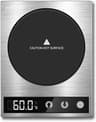
You know they use pods but not which kind. Buy the frother. It has the highest ceiling of anything here that carries no compatibility risk at all, and it gives them a drink their machine cannot currently make. The mug warmer and the pod drawer are the smaller, cheaper versions of the same logic.
They have started complaining about their pods. That is somebody edging out of the category, and the honest move is to help them leave rather than to restock. Start with the reusable filter and a bag of ground coffee as the low-commitment step, and if they are further along than that, best espresso machines for beginners and best coffee makersare where that road goes. Be sure before you spend, though — plenty of people grumble about pods and would still be annoyed to lose the forty-second morning coffee.
What we deliberately left off
A new machine.Not because it is a bad gift — it is often the best one — but because it belongs on a different list. If the present is the machine itself, read best Nespresso machines first: the Vertuo-or-Original choice decides which capsules they can buy for as long as they own it, and it is the part people get wrong.
Whole beans on their own. A bag of whole-bean coffee in a pod household is a gift they cannot use, and it reads as a comment on their setup rather than as a present. Beans plus a grinder is a real gift; beans plus a reusable filter is a cheaper real gift. Beans alone is a nudge.
Pod-branded novelties. Carousels shaped like landmarks, capsule-shaped keyrings, mugs printed with jokes about needing coffee. The drawer made the list because it does a job; the rest of that shelf exists to be bought in a hurry, and everyone can tell. If you need something small and good instead, our coffee stocking stuffers list is built entirely from things that get used.
And if you are tempted to buy them a real machine instead
It is a kind thought and usually the wrong gift. Someone who has chosen pods has chosen a system that asks nothing of them, and a machine that needs a grinder, a dose and a tamp is a different hobby rather than an upgrade. Nespresso vs an espresso machine sets out exactly what changes — the skill, the kit, the cost per cup — so you can tell whether this particular pod drinker would welcome the jump or quietly go back to the capsules.
And if the machine itself is the present — for somebody who does not own one yet — the first decision is which pod system, not which model. Keurig vs Nespresso settles it the only way that works, by starting from the drink: a Keurig fills a mug with filter coffee, a Nespresso pulls a small strong shot, and that is the difference nobody should discover after the box is open.