Drip & Dose

How to Make an Iced Latte

An iced latte is not a hot latte with ice in it. Skip the steaming entirely, build the glass in the right order, and the drink stops tasting like milky water.

By Stephen V.Last updated How we choose

How this is funded: we earn a commission if you buy through our links, at no extra cost to you. It never changes which gift we recommend, and we’ll tell you plainly when to skip one. Full disclosure.

The single most useful thing to know: do not steam the milk. An iced latte uses cold milk straight from the fridge, which makes it the easiest espresso drink in the house to get right — no texturing, no temperature judgement, no pitcher. Merriam-Webster defines a latte as “espresso mixed with hot or steamed milk”, and an iced latte is the same drink with that clause removed: espresso, cold milk, ice.

Which raises the obvious question: if it is that simple, why does a homemade one so often taste thin next to a cafe one? Almost always for one reason. The glass was built in the wrong order, so hot espresso hit the ice directly, melted a good part of it, and added an unmeasured amount of water to the drink. A cafe avoids this by putting the ice and the milk in first and running the shot over the top.

Everything below follows from that. Five steps, two ways to make it without an espresso machine, and an honest note on which base — espresso, cold brew or brewed coffee — suits which situation.

The method, in order

1. Fill the glass with ice first

More ice than looks sensible, and large cubes if you have them. A full glass of big ice melts more slowly than a half-full glass of small ice, so counter-intuitively, more ice means a less watery drink.

2. Pour the cold milk over the ice

Straight from the fridge, no heating and no frothing. Fill to roughly two thirds. Doing this before the coffee is what keeps the shot from hitting bare ice and melting it instantly.

3. Add any sweetener or syrup now

Sugar does not dissolve properly in a cold drink — it sits at the bottom as grit. Stir granulated sugar into the milk before the ice goes anywhere near it, or use a liquid syrup, or dissolve the sugar in the hot espresso.

4. Pull the shot straight into the glass

A double shot, run directly over the milk and ice. The NCA's espresso figures are roughly 1:2 dry coffee to liquid in 20 to 30 seconds — a short, strong shot, because it is about to be diluted by milk and melt.

5. Stir once, from the bottom

The espresso sits on top of the milk at first, which looks good and tastes uneven. One stir from the base of the glass mixes it without knocking the ice apart.

The ratio to aim for is roughly one part espresso to three or four parts cold milk, before the ice. That is denser than a hot latte on purpose, because melt is coming. If the drink tastes strong at the first sip and balanced at the last, you got it right.

Why cold milk, and why that is good news

Steamed milk is sweeter and silkier because heat and air change its texture. None of that survives being iced — chill textured milk and the foam collapses, leaving you with warm milk you then have to cool down, which melts more ice. Pouring it cold skips a step, keeps the drink colder and produces a better result.

It also means an iced latte is the one espresso-and-milk drink that needs no skill at the milk stage at all. If someone has an espresso machine and finds milk texturing frustrating — which is the usual reason a gifted machine falls out of use — iced lattes are the drink that makes the machine worth owning while they learn. Our cappuccino guide covers the hot-milk technique when they are ready for it.

If you do want a little foam on top for appearance, froth a splash of the cold milk separately with a handheld whisk and float it. Cold foam is thinner and looser than steamed microfoam, and that is what it is supposed to be.

Three bases, three different drinks

BaseWhat it needsTastesBest when
EspressoA machine, or a moka pot as a substituteBright, concentrated, closest to a cafeOne drink, right now
Cold brew concentratePlanning: a coarse grind, 1:4–1:5, around 12 hours (NCA)Rounder, softer, less acidic in characterSeveral drinks across a week
Strong brewed coffee, chilledAny brewer, plus fridge timeThinner — it is a coffee, not a shotYou own no espresso maker

A note on the middle row, because it is the one people get wrong: cold brew leaves the jug as a concentrate at the NCA’s 1:4 to 1:5 ratio, so it substitutes for espresso rather than for milk. Use a couple of ounces of it, not half a glass. Cold brew vs iced coffee explains the distinction in full, and how to make cold brew coffee is the overnight method.

The bottom row is the honest fallback, and it is worth saying plainly that it is a different drink. The NCA’s own definition of iced coffee is coffee “brewed hot using a standard method, then cooled down”, and brewed coffee is roughly four times more dilute than espresso to begin with. Brew it deliberately strong, chill it, and accept a milkier, gentler drink. How to make iced coffee covers that route properly.

Sweetening a cold drink without the grit at the bottom

Granulated sugar dissolves far less readily in cold liquid than in hot, which is why a stirred iced latte so often ends with a sweet sludge in the last inch. Three fixes, in order of how well they work:

  1. Dissolve it in the hot espresso. Stir the sugar into the shot while it is still hot, then pour. Costs nothing and uses no extra equipment.
  2. Use a liquid syrup. Simple syrup is sugar already dissolved in water, which is the entire reason cafes use it rather than sugar. Flavored syrups work the same way.
  3. Sweeten the milk first. Stir it into the cold milk before the ice goes in and give it a moment. Less effective than the first two, but it works.

Vanilla, caramel and hazelnut are the usual flavors; a pinch of salt in the syrup is the cheap trick that makes a sweet iced coffee taste less flat.

What to buy, honestly ranked

For a drink this simple, the equipment list is short and the order of impact is not what you would expect. Ice beats everything except the espresso itself.

  • Large ice cubes. The cheapest change with the most visible effect. A big cube has less surface area relative to its volume than a handful of small ones, so it melts more slowly and dilutes the drink less. If you only buy one thing on this page, buy an ice tray.
  • An insulated tumbler, if the drink travels. An iced latte in a glass in a car is a warm latte in twenty minutes. A vacuum-insulated tumbler is the fix, and it is also the gift most iced-coffee drinkers actually use daily.
  • A source of espresso. The expensive item, and the one that changes the drink most — but only worth it for someone drinking these regularly. A compact machine is plenty: iced lattes ask nothing of the steam wand.
  • A handheld frother, optionally. For cold foam on top, and for anyone making this without a machine — it is the cheapest way to get a little texture into cold milk.

What those four look like in practice, with live prices:

Quick picks

Sorted by who each one suits, with a live price you can act on. Tap a row to jump to the full write-up. We haven’t lab-tested these — here’s exactly what we do instead.

#ProductBest forPrice
1
De'Longhi Dedica Deluxe (EC685)

De'Longhi Dedica Deluxe (EC685)

Barely 6 inches wide, so it fits where a Bambino won't. A slim stainless machine that heats fast and looks the part — the pick when counter space is the constraint.

Best machine for the job
$249.00 · View on Amazon

Price as of October 15, 2026. #ad How we’re funded

2
W&P Peak Silicone Extra Large Cube Ice Tray

W&P Peak Silicone Extra Large Cube Ice Tray

Four 2.25-inch cubes with a lid on top. Big cubes melt slowly and a lid stops frozen coffee taking on the smell of the freezer — the two things that decide whether a homemade iced coffee still tastes like coffee at the bottom of the glass.

Best cheap upgrade
$14.90 · View on Amazon

$16.007% off

Price as of October 15, 2026. #ad How we’re funded

3
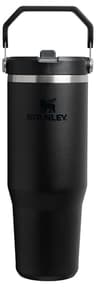
Stanley IceFlow 2.0 Flip Straw Tumbler (30 oz)

Stanley IceFlow 2.0 Flip Straw Tumbler (30 oz)

The vessel iced coffee is actually drunk from: a 30 oz vacuum tumbler with a fold-down straw, a carry handle and a base that fits most car cupholders. Stanley publishes cold retention of 12 hours, or two days with ice — which is the entire argument for it over a glass.

Best for taking it with you
$35.00 · View on Amazon

Price as of October 15, 2026. #ad How we’re funded

4
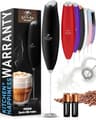
Zulay Handheld Milk Frother

Zulay Handheld Milk Frother

A battery handheld whisk that froths milk, matcha and hot chocolate in seconds. About the cheapest coffee gadget there is, and endlessly useful — the definitive tiny coffee gift.

Best without a machine
$8.99 · View on Amazon

$16.9947% off

Price as of October 15, 2026. #ad How we’re funded

The picks in full

#1Best machine for the job

De'Longhi Dedica Deluxe (EC685)

Barely 6 inches wide, so it fits where a Bambino won't. A slim stainless machine that heats fast and looks the part — the pick when counter space is the constraint.

Great gift for: Great for an apartment dweller or dorm — a real espresso machine that tucks into almost no space.

What’s good

  • Extremely narrow footprint (~6 inches wide)
  • Fast heat-up and a stainless finish that looks smart
  • Adjustable shot volumes

Worth knowing

  • The compact steam wand takes practice to froth well
  • Skip it if counter space isn't tight — the Bambino is easier to live with
TypeSemi-automatic, 51mm
Width~6 inches
Skill levelBeginner

Specs read from the product listing, on July 25, 2026. Prices are pulled live and dated on the button.

#2Best cheap upgrade

W&P Peak Silicone Extra Large Cube Ice Tray

Four 2.25-inch cubes with a lid on top. Big cubes melt slowly and a lid stops frozen coffee taking on the smell of the freezer — the two things that decide whether a homemade iced coffee still tastes like coffee at the bottom of the glass.

Great gift for: The cheap gift that quietly improves a routine they already have: they freeze leftover coffee in it, and their iced coffee stops getting weaker as it sits.

What’s good

  • Four large 2.25-inch cubes, which melt far slower than standard ice
  • The lid keeps the cubes from picking up freezer odors — frozen coffee absorbs everything
  • Cubes pop out one at a time without twisting the whole tray
  • Food-grade silicone with a steel-framed rim; dishwasher safe and BPA free

Worth knowing

  • Four cubes at a time is not many — a daily iced coffee drinker will want two trays
  • Skip it as a main present; this is a stocking stuffer or an add-on, not the gift itself
TypeSilicone ice cube tray with lid
Cubes4 cubes, 2.25 inches each
MaterialFood-grade silicone, steel-framed rim

Specs read from the product listing, on August 25, 2026. Prices are pulled live and dated on the button.

#3Best for taking it with you

Stanley IceFlow 2.0 Flip Straw Tumbler (30 oz)

The vessel iced coffee is actually drunk from: a 30 oz vacuum tumbler with a fold-down straw, a carry handle and a base that fits most car cupholders. Stanley publishes cold retention of 12 hours, or two days with ice — which is the entire argument for it over a glass.

Great gift for: For the person who buys a large iced coffee on the way to work every morning. It is the one thing on this list they will hold in their hand every day.

What’s good

  • A straw lid, which is how iced coffee actually gets drunk — not a hot-coffee sip lid
  • Stanley publishes 12 hours cold, and 2 days cold with ice
  • 30 oz holds a full large iced coffee with room for the ice
  • Recycled 18/8 stainless steel, dishwasher safe, fits most car cupholders

Worth knowing

  • It is drinkware rather than coffee, so pair it with beans or concentrate if it needs to feel like a whole present
  • Skip it for a hot-coffee drinker — a flip straw is the wrong lid for a hot drink
  • 30 oz is a lot of tumbler for a small bag or a crowded desk
TypeVacuum-insulated tumbler, flip straw lid
Capacity30 oz
Cold retention12 hours; 2 days with ice (manufacturer)
MaterialRecycled 18/8 stainless steel

Specs read from the product listing, on August 25, 2026. Prices are pulled live and dated on the button.

#4Best without a machine

Zulay Handheld Milk Frother

A battery handheld whisk that froths milk, matcha and hot chocolate in seconds. About the cheapest coffee gadget there is, and endlessly useful — the definitive tiny coffee gift.

Great gift for: The perfect cheap-but-loved gift or stocking stuffer — everyone finds a use for it.

What’s good

  • Costs next to nothing
  • Froths milk, matcha, hot chocolate, protein shakes
  • No counter space needed

Worth knowing

  • Makes microfoam, not steamed-milk latte art
  • Skip it as a standalone 'main' gift — it's a lovely add-on, not a centerpiece
TypeHandheld battery whisk
Best forQuick froth, matcha, cocoa
PowerBattery

Specs read from the product listing, on July 25, 2026. Prices are pulled live and dated on the button.

Common mistakes, and what each one tastes like

Watery and faintly sour: hot espresso went onto bare ice. Build the glass ice, milk, coffee — in that order — and it goes away.

Watery and sweet at the end: too little ice, so what you had melted completely, and undissolved sugar settled. More ice, bigger cubes, and sweeten the hot shot.

Thin and milky, nothing wrong with it exactly: the base was brewed coffee rather than espresso or cold brew concentrate. Brew it twice as strong next time, or use less milk.

Bitter: that is the shot, not the drink. Cold hides sweetness and leaves bitterness more exposed, so a shot that is merely acceptable hot can taste harsh iced — why does my espresso taste bitter is the diagnostic, and it is usually grind.

Separated, with a pale layer at the bottom: it was not stirred, or it was stirred from the top. One pass from the base of the glass.

Last note for gift buyers, because this is the most common misfire in the category: do not buy a milk frother for someone who drinks iced lattes. It is the intuitive gift and it is the one piece of equipment the drink does not use. Buy ice, a tumbler, or beans that work cold — best coffee for cold brew is the right shelf, and gifts for iced coffee lovers is the full list.

Frequently asked questions

How do you make an iced latte at home?

Fill a glass with ice, pour cold milk over it to about two thirds, add any sweetener, then pull a double shot of espresso straight into the glass and stir once from the bottom. The order matters: putting the ice and milk in first stops the hot shot from melting the ice and watering the drink down. Aim for roughly one part espresso to three or four parts milk before the ice.

Do you steam the milk for an iced latte?

No. Use cold milk straight from the fridge. Steaming makes milk sweeter and silkier, but none of that survives being chilled — the foam collapses and you have to cool the milk down again, which melts more ice. It also means an iced latte needs no milk skill at all, which makes it the easiest espresso drink to make well at home.

Why does my iced latte taste watery?

Because melted ice added water nobody measured. The two causes are pouring hot espresso straight onto bare ice, and using too little ice so what was there melted completely. Build the glass ice, then milk, then coffee, and use more ice than feels sensible — a full glass of large cubes melts more slowly than a half-full glass of small ones.

Can you make an iced latte without an espresso machine?

Yes, with a different base. A moka pot makes a small, concentrated stovetop coffee that stands in well. Cold brew concentrate works even better and can be made ahead — the NCA's cold brew guidance is a coarse grind at a 1:4 to 1:5 ratio for around twelve hours, which produces something strong enough to substitute for the shot. Strong brewed coffee, chilled, also works but gives a thinner, milkier drink.

How do you sweeten an iced latte so the sugar dissolves?

Stir the sugar into the hot espresso before it goes anywhere near the ice, or use a liquid syrup. Granulated sugar dissolves far less readily in cold liquid, which is why a stirred iced coffee often leaves sweet grit in the last inch — and why cafes use simple syrup, which is just sugar already dissolved in water. Sweetening the cold milk before the ice goes in is a workable third option.

Is an iced latte the same as an iced coffee?

No. An iced latte is espresso with cold milk over ice. Iced coffee, in the National Coffee Association's definition, is coffee 'brewed hot using a standard method, then cooled down' — usually drunk black or with a splash of milk. The difference is strength and structure: brewed coffee is roughly four times more dilute than espresso, so an iced coffee with a lot of milk tastes thin where an iced latte does not.

How much espresso goes in an iced latte?

A double shot for a standard glass, and more if the glass is large. The guideline is one part espresso to three or four parts milk before the ice goes in, which is deliberately stronger than a hot latte because melting ice will dilute it as you drink. The NCA's espresso figures are about 1:2 dry coffee to liquid espresso over 20 to 30 seconds — so a short, strong shot, not a long one.

What is the best milk for an iced latte?

Whatever they drink, with one practical note: since nothing is being textured, the milks that are hard to foam are not a problem here. Whole milk gives the roundest result and skim tastes cleaner and thinner. Oat milk works particularly well cold, and the barista-formulated versions are not necessary for an iced drink since you are not steaming. Buy whichever one they actually keep in the fridge.

Sources

  • Merriam-Webster — latte — Merriam-Webster defines a latte as "espresso mixed with hot or steamed milk : caffe latte", and also "a similar drink made with an ingredient (such as rooibos or chai) other than espresso" (accessed September 18, 2026)
  • National Coffee Association — Espresso — NCA on espresso: high pressure forcing nearly boiling water through a fine grind ("like table salt"), a 1:2 ratio of dry coffee to brewed espresso, 20–30 seconds of contact, crema as "the velvety, golden-brown top layer", and a machine, scale and grinder as the equipment (accessed August 18, 2026)
  • National Coffee Association — Cold Brew Coffee — NCA on cold brew: coarse grind ("like rock salt"), a 1:4 to 1:5 coffee-to-water ratio, room-temperature or cooler water, approximately 12 hours of contact (with a range from minutes to 12–18+ hours), straining through a paper, cloth or fine mesh filter, and the distinction from iced coffee — which is "brewed hot using a standard method, then cooled down" (accessed August 18, 2026)
  • National Coffee Association — Drip Coffee — NCA consumer guidance on drip/filter brewing: medium grind ("like kosher salt"), the "Golden Ratio" of 1–2 tablespoons of ground coffee per 6 oz of water, about 5 minutes of contact, paper vs metal vs cloth filters, and a recommendation to descale "at least every 3-6 months" to remove mineral buildup from tap water (accessed August 18, 2026)

Keep reading