Which roast to buy
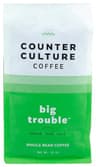
Medium to dark is the safe answer, and dark is the traditional one. Cold water is a weak solvent compared with hot, so it extracts less of everything; a darker roast starts with more developed, heavier flavors and therefore has more left after a cold extraction. That is the whole reason almost every commercial cold brew is dark.
Medium roasts are the more interesting choice for anyone who drinks cold brew black. They keep more sweetness and a little more of the origin character, and they avoid the ashy edge a very dark roast can develop over a twelve-hour steep. If the person adds a lot of milk or syrup, go darker — a medium roast disappears underneath.
Light roasts are the one to avoid unless they specifically want to experiment. Light roasts are dense and are built to be extracted with hot water; in cold brew they often come out thin and sour. Our light vs dark roast guide covers what changes between the two.
Ground or whole bean?
Cold brew needs a coarsegrind — coarser than French press, closer to raw sugar or breadcrumbs. Fine grounds over a long steep produce a muddy, over-extracted, bitter result and clog whatever filter is being used.
That creates a genuine argument for buying coffee pre-ground, which is unusual on this site. Bags sold specifically for cold brew are ground to the right coarseness, which means someone with no grinder gets a good result rather than a bad approximation. The trade is freshness — ground coffee goes flat faster — but over a bag that is being used a pound at a time in fortnightly batches, that is a reasonable deal.
If they own a burr grinder, whole beans win. Grind coarse, and the cup is noticeably livelier. See the grinder roundup if they do not have one, and the grind size guide for where cold brew sits relative to the other methods.
The ratio, and why cold brew uses so much coffee
Cold brew is usually made as a concentrate and then diluted, which means the brewing ratio looks alarming compared with hot coffee. A common starting point is around 1:5 by weight for a concentrate — say 100 g of coffee to 500 g of water — steeped 12 to 24 hours, then diluted roughly one-to-one with water or milk when serving.
The practical consequence for a gift: cold brew gets through coffee. A one-pound bag makes about four concentrate batches. If you are gifting a cold brew maker, a small bag of beans looks generous and lasts about a fortnight; a full pound is the more useful present.
For a ratio that is repeatable rather than guessed, a brew scale is the cheap addition, and our cold brew maker roundup covers the jugs and filters that make straining unnecessary.
Cold brew, iced coffee and nitro
Worth clarifying, because the words get used interchangeably and they are not the same thing. Cold brew is coffee steeped in cold water for many hours. Iced coffeeis hot-brewed coffee poured over ice — faster, brighter, more acidic, and a completely different drink. Nitro is cold brew infused with nitrogen for a creamy texture, which needs equipment most homes do not have.
If the person you are buying for likes the smooth, low-acid character of cold brew, these bags are right. If they actually like iced coffee — sharper, more like a chilled filter cup — they will be better served by beans from our pour-over and drip guide brewed hot over ice.
Storage matters more here than usual
Two things: the beans and the brew.
A pound of coffee lasts longer than most bags, so it needs storing properly — airtight, away from heat and light, and not in the fridge, where coffee absorbs moisture and odors. Our storage guide covers what the National Coffee Association actually recommends.
The finished concentrate keeps in the fridge for about a week to ten days in a sealed bottle, which is the practical reason people brew a batch on Sunday. Any longer and it starts tasting flat rather than dangerous. That weekly rhythm is most of the appeal of the whole method.
If the bag is going in a gift bag rather than your own cupboard, gifts for iced coffee lovers pairs coffee like this with the brewer, the tumbler and the ice tray that make the difference between good cold brew and a watery one.