How we sorted the list
1. Is it actually an espresso coffee?
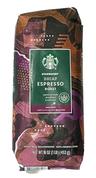
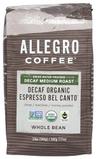
This was the hard filter, and it removed most of the decaf on Amazon. A bag qualifies here only if the listing itself positions it for espresso — Lavazza’s Dek line and Allegro’s Bel Canto are espresso blends, Starbucks and San Francisco Bay both sell theirs as an espresso roast, and the illy can states it is pre-ground for espresso machines. We did not promote a pleasant medium-roast decaf into this category on the grounds that you could pull it. Our general best decaf coffee page is where the filter-oriented bags belong, and it stays the better page if the recipient brews with a dripper or a press.
2. Whole bean first, ground only for a reason
Four of the five picks are whole bean, because espresso is the brew method least tolerant of stale coffee and because a grinder lets the household adjust. The one pre-ground pick is here for a specific and surprisingly common household: someone who owns an espresso machine and no grinder. If that is who you are buying for, the illy can is the right answer and the whole-bean picks are not — and if you would rather fix the underlying problem, our espresso grinder picks are the gift that makes every future bag better.
3. Bag size against how much decaf they drink
Decaf is usually a once-a-day coffee, which changes the arithmetic. The NCA gives roasted beans one to three weeks at room temperature and ground coffee one to two weeks, so the 2 lb bag is excellent value for a household that drinks decaf every evening and the wrong buy for someone who pulls one shot a week. The 12 oz and 16 oz bags are the safe default. Either way, an airtight canister does more for the coffee than spending another five dollars on the bag.
4. What the listing publishes about the decaffeination
Only one of these bags names its process: San Francisco Bay publishes Swiss Water, which uses water rather than a chemical solvent and is the method specialty buyers look for. The others do not publish a method, so we do not state one — it is listed as a con on each card rather than filled in with a guess. If the process matters to the person you are buying for, that narrows the page to one bag, and conveniently it is also the cheapest per ounce.
Why decaf espresso is harder to buy than decaf coffee
Espresso is the most demanding thing you can ask of a coffee. The NCA describes the method as near-boiling water forced under pressure through a grind “like table salt”, roughly 1:2 dry coffee to liquid espresso in 20 to 30 seconds, producing the “velvety, golden-brown” crema on top. Everything about that is unforgiving: the window is short, the pressure is high, and the result is concentrated, so any weakness in the coffee arrives undiluted.
Roasters respond to that by building espresso blends differently from filter coffee — often darker, and often with some robusta in the mix, which is the traditional Italian route to a heavy, crema-rich shot. Our arabica vs robusta guide explains the trade: robusta brings body and crema and gives up the fruit and floral notes that specialty arabica is prized for. Lavazza’s Dek is the only bag here whose listing names a robusta component, and it is the main reason it is the top pick: a decaf blend has lost something, and body is the thing most worth putting back.
Expect to re-dial the machine, too. A new bag of any coffee usually needs a grind adjustment, and that is not special to decaf — it is just that a shot is where a wrong grind is most obvious. Our grind size guide covers which direction to move, and why espresso tastes bitter covers the usual culprits when a new bag pulls badly.
What decaf actually means for caffeine
Worth repeating in a section of its own, because it is the single most misunderstood thing about this category. The NCA’s figures are that decaffeination removes roughly 97% of the caffeine, leaving about 2–15 mg in an 8 oz cup, against roughly 95 mg for regular coffee. So:
- For an evening coffee, decaf works. That is the use case almost everyone buying this page has, and the remaining caffeine is a rounding error against a normal cup.
- For a medical caffeine restriction, say the number out loud. Two to fifteen milligrams is not zero. If someone has been told to eliminate caffeine, the honest gift is a herbal alternative, not a bag of decaf with a reassuring label.
- Decaf is not weaker-tasting by definition.Strength in the cup comes from the roast and the brew ratio, not from caffeine — the same point our light vs dark roast page makes about roast levels.
If the caffeine question is the actual reason for the gift, our decaf vs regular guide covers it properly, and caffeine in espresso gives the measured figures for a normal shot.
Who this gift is right for
The person who bought an espresso machine and then stopped drinking coffee after lunch — the single most common version of this buyer. The parent or grandparent who was told to cut back and now drinks nothing after noon rather than drink bad decaf. The pregnant recipient, for whom a good decaf is a genuinely thoughtful present. And the two-drink household where one person wants a nightcap latte and the other is asleep by nine. In every one of those cases, the gift is not “decaf” — it is getting their evening drink back.
Pair it well and it becomes a real present rather than a bag of coffee: a pair of espresso cups makes it an occasion, espresso accessories cover the tamper and jug, and if there is no machine on the counter yet, start with espresso machines for beginners instead and leave the beans for later. And if the machine in question is a pod machine rather than a portafilter, this page is the wrong one — buy decaf capsules from pod coffee gifts.