The percentage is the product
Everything else on this page is secondary to one habit: read the percentage before you read anything else.
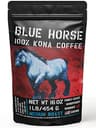
A bag that says 100% Kona contains Kona coffee and nothing else. A bag that says 10% Kona blendcontains one part Kona to nine parts other coffee — and the listings for these blends do not generally say what the other nine parts are. Both kinds of bag carry the word Kona in large type, both carry Hawaiian imagery, and they sit next to each other at prices that look similar until you divide by weight.
Here is the comparison that makes it concrete, using two bags from the same roasterthat we carry above. Their 7 oz bag of 100% Kona costs roughly what their 40 oz bag of 10% Kona blend costs. Per ounce that is a difference of about six times — which is a fair reflection of how much actual Kona is in each one. The blend is not a scam; it is priced like what it is. The problem is only that it is bought, and gifted, as though it were the other thing.
Why 10% specifically, rather than 3% or 30%? We are not going to cite a labeling rule we have not verified, so we will tell you what we can see instead: the blends offered are overwhelmingly described as 10%, and the number is stated on the bag. That is enough to shop with. If a bag states a percentage, that percentage is what you are getting. If a bag does not state one, assume it is not 100%.
This is a sharper version of the same question we work through in single origin vs blend — with the difference that a normal blend is a roaster’s recipe, designed to taste a particular way, while a 10% origin blend exists mostly so a famous name can appear on a cheaper bag.
How we picked, in the order the criteria matter
1. Does the listing state 100% Kona?
This eliminated the large majority of candidates. Five of the six picks above state 100% Kona on their own listing; the sixth states 10% and is labeled as such in its award, its verdict and its specs so it cannot be mistaken for the others at a glance.
2. Whole bean over ground, at this price
Kona is expensive enough that format matters more than usual. Coffee begins losing aromatics the moment it is ground, which is why the National Coffee Association recommends buying whole beans in small amounts and grinding only what you are about to brew. Paying a premium for an origin and then buying it pre-ground spends the money on something you then throw away. Three picks are whole bean for exactly that reason; the ground and pod picks are included because some recipients have no grinder, and that is a real constraint rather than a failure.
3. The right size for a gift, which is smaller than you think
A 7 or 8 oz bag is not a stingy Kona present — it is the normal size, because of what the coffee costs. The 2 lb pick exists for one narrow case (a confirmed Kona drinker) and we say so on the card, partly because the NCA puts roasted beans at their best for a matter of weeks, so a very large bag of an expensive coffee is partly a purchase of coffee that will be stale when it is drunk.
4. Roast level matched to the drinker, not to the price
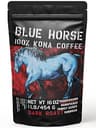
There is a temptation to buy the lighter roast because it shows the origin better. Resist it if the recipient drinks dark coffee: an expensive bag they do not enjoy is a worse gift than a cheaper one they finish. That is why a dark-roast 100% Kona is on this page, with the honest note that a darker roast masks some of what you are paying for.
5. A named Hawaiian roaster over an anonymous relabeler
Several listings in this category carry no brand at all, which makes the origin claim impossible to attach to anyone. Every pick here names a roaster.
What Kona actually tastes like — and what we will not tell you
We own no units, we brew nothing here, and we are not going to invent tasting notes for coffee we have not tasted. What the listings above publish is the growing and handling: organic, shade grown, handpicked, vacuum sealed, from the Big Island. Those are real quality signals and they are the roasters’ own words.
What we can say usefully is structural. Kona is grown at relatively modest elevations on volcanic slopes in a steady, mild climate — the kind of conditions the NCA associates with arabica, which it describes as “fine, mild, aromatic” and lower in caffeine than robusta. It is an arabica-growing region that is unusually consistent, and a small one, and the scarcity is a large part of the price. Anyone promising you that Kona is objectively the best coffee in the world is making a claim nobody can support; what it reliably is, is distinctive, smooth and expensive.
Why Kona costs what it costs
- It is a tiny growing area. Kona is a district, not a country. There is a hard ceiling on how much of it can exist in any year.
- It is grown in the United States. Hawaiian farms pay US wages, which is a structural cost difference from most coffee origins and the single biggest reason for the price.
- Much of it is handpicked. Two of the picks above state handpicking on the listing. It is slower and more selective than machine harvesting.
- The name carries a premium of its own. Which is precisely why the 10% blend exists.
How to give Kona well
- Buy the small bag of the real thing. A 7 oz bag of 100% Kona is a better present than a big bag of a 10% blend, even though the blend looks more generous under wrapping paper. Say “this is the real thing” on the card and the size explains itself.
- Pair it with nothing that competes. A mug or a brew scale works. A second bag of coffee does not — it tells the recipient the Kona was not the point.
- Tell them how to brew it. Kona’s character shows best through paper — a Chemex or a cone — and worst through a brewer that cooks it. Do not put it in a percolator, which extracts hard at a boil and will flatten everything you paid for.
- Do not buy it for a milk drinker. The same logic as every premium single origin: milk covers delicate coffee. For that recipient an espresso blend is a better use of the money.
Who Kona is the right gift for
- Someone who has been to Hawaii. The association is the gift as much as the coffee is, and they will know what it is without being told.
- A black-coffee drinker who already grinds their own. They have the equipment to taste the difference and the habit to notice it.
- A milestone present. Retirement, a big birthday, a thank-you that needs to feel substantial. Kona reads as expensive, correctly.
- Anyone who has every piece of gear already. Consumables are the answer for that person, and this is the top of the consumable range. Our gifts for coffee snobs page covers the rest.
And who it is the wrong gift for
Anyone brewing with a pod machine, unless you buy the pod pick specifically. Anyone who takes their coffee with a lot of milk and sugar. Anyone still using a blade grinder or buying pre-ground — for them the grinder is the gift that actually improves their coffee, and an expensive bag is money spent on something their setup will waste.
And honestly: anyone on a budget where Kona means buying the 10% blend. At that price point a bag of excellent non-Kona specialty coffee — a light roast single origin or one of our pour-over picks — is more coffee, fresher, and a better cup. The name is not worth the trade.