Drip & Dose

The Best Light Roast Coffee (and Who Actually Wants It)

Light roast is where specialty coffee spends most of its attention and where supermarket shelves stock almost nothing. Six picks sorted by how adventurous the drinker is, from a blonde blend they have already tasted to a natural-process Ethiopian.

By Stephen V.Last updated How we choose

Walk down a supermarket coffee aisle and count the bags marked light. You will run out of bags before you run out of fingers. Nearly everything on a shelf is medium or dark, and that is the single reason a light roast is such a good gift: it is the style the recipient is least likely to have bought for themselves, and the one most likely to taste unlike anything in their cupboard.

It is also the style most likely to be handed to the wrong person. A light roast is brighter, more acidic and more delicate than the coffee most people think of as coffee. Given to someone who takes their coffee strong, dark and with milk, it reads as weak and sour — not because it is bad, but because it was aimed at the wrong drinker. The difference is roast time, and it shows before you taste anything: the National Coffee Association describes light roasts as matte with no surface oil, against the shiny, oily surface of a dark roast.

So the picks below are ordered by how far from the familiar you want to go, not by score. Each carries a live price and an honest reason to skip it. If you are not sure which direction the recipient leans, read light vs dark roast first — that page settles the which-do-they-like question, and this one answers which bag to buy once you know.

How this is funded: we earn a commission if you buy through our links, at no extra cost to you. It never changes which gift we recommend, and we’ll tell you plainly when to skip one. Full disclosure.

Quick picks

Sorted by who each one suits, with a live price you can act on. Tap a row to jump to the full write-up. We haven’t lab-tested these — here’s exactly what we do instead.

#ProductBest forPrice
1
Onyx Coffee Lab Geometry Blend (whole bean)

Onyx Coffee Lab Geometry Blend (whole bean)

A light roast Onyx publishes at Agtron #130 with notes of berries, stone fruit and Earl Grey — and, unusually, one the roaster says works as both filter and espresso. That is exactly the bag an AeroPress wants, because an AeroPress is both.

Best overall
$22.50 · View on Amazon

Price as of November 12, 2026. #ad How we’re funded

2
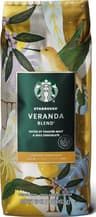
Starbucks Veranda Blend Whole Bean, Light Roast

Starbucks Veranda Blend Whole Bean, Light Roast

The light roast almost everyone has already tasted, because it is what Starbucks pours when someone asks for blonde. That makes it the safest possible introduction to the style: if they liked the blonde coffee at the counter, this is that coffee in a bag they can grind at home.

Best familiar name
3
The Coffee Bean & Tea Leaf Ethiopia Yirgacheffe Single Origin Whole Bean, Light Roast (1 lb)

The Coffee Bean & Tea Leaf Ethiopia Yirgacheffe Single Origin Whole Bean, Light Roast (1 lb)

Yirgacheffe is the growing region that made light-roast Ethiopian coffee famous, and this is a full pound of it from a cafe chain most people have heard of. A bigger bag than the specialty picks, from a name that reassures a recipient who has never bought single-origin coffee.

Best classic single origin
$18.99 · View on Amazon

Price as of November 12, 2026. #ad How we’re funded

4
Fresh Roasted Coffee Organic Ethiopian Natural Whole Bean, Light Roast (12 oz)

Fresh Roasted Coffee Organic Ethiopian Natural Whole Bean, Light Roast (12 oz)

A natural-process Ethiopian light roast with USDA Organic and kosher certification on the listing, at a price that undercuts most specialty bags. Natural processing — the fruit dried on the bean rather than washed off — is the thing that produces the berry character people mean when they say a coffee tastes fruity.

Best organic, and the most adventurous
$16.99 · View on Amazon

Price as of November 12, 2026. #ad How we’re funded

5
Caribou Coffee Daybreak Morning Blend Ground, Light Roast (20 oz)

Caribou Coffee Daybreak Morning Blend Ground, Light Roast (20 oz)

Twenty ounces of 100% arabica light roast for about what a 12 oz specialty bag costs, which makes it the one pick here that a household can drink daily without thinking about it. Pre-ground, which is the trade for the price and the size.

Best value
$10.94 · View on Amazon

Price as of November 12, 2026. #ad How we’re funded

6
Caribou Coffee Daybreak Morning Blend K-Cup Pods, Light Roast (24 count)

Caribou Coffee Daybreak Morning Blend K-Cup Pods, Light Roast (24 count)

The same light-roast morning blend as our value pick, in Keurig pods — which matters because the pod aisle is overwhelmingly medium and dark, and a light-roast drinker with a pod machine is usually stuck. Not better coffee than the bag; just the only format some kitchens can use.

Best light roast pod
$16.49 · View on Amazon

Price as of November 12, 2026. #ad How we’re funded

The picks in full

#1Best overall

Onyx Coffee Lab Geometry Blend (whole bean)

A light roast Onyx publishes at Agtron #130 with notes of berries, stone fruit and Earl Grey — and, unusually, one the roaster says works as both filter and espresso. That is exactly the bag an AeroPress wants, because an AeroPress is both.

Great gift for: For the person who already likes their coffee bright and fruity, or who bought an AeroPress specifically to taste what a light roast does.

What’s good

  • Onyx publishes it as easy to dial in “as espresso or filter” — one bag covers both AeroPress recipes
  • Washed Colombian and Ethiopian components, so the cup is clean rather than boozy
  • Light roast at a published Agtron of #130, which is genuinely light rather than “medium-light” marketing
  • Onyx publishes roast, Agtron, origin and process for every lot — rare transparency

Worth knowing

  • Light roasts need hotter water and a finer grind, so it is the fussier gift
  • Acidity reads as sour to anyone used to dark roast — a real risk if you are guessing
  • Onyx sells four bag sizes and the listing title does not say which this is
  • Skip it for a milk-and-sugar drinker; the delicacy disappears under both
RoastLight, Agtron #130 (per Onyx)
OriginColombia, Ethiopia — washed (per Onyx)
Tasting notesBerries, stone fruit, Earl Grey, honeysuckle (per Onyx)
Best forFilter and espresso (per Onyx)

Specs read from the product listing, on October 8, 2026. Prices are pulled live and dated on the button.

#2Best familiar name

Starbucks Veranda Blend Whole Bean, Light Roast

The light roast almost everyone has already tasted, because it is what Starbucks pours when someone asks for blonde. That makes it the safest possible introduction to the style: if they liked the blonde coffee at the counter, this is that coffee in a bag they can grind at home.

Great gift for: For someone whose cafe order you know but whose taste in beans you do not. A recognizable bag removes the risk that the present tastes like nothing they have had before.

What’s good

  • The most widely recognized light roast there is, so the flavor is not a gamble
  • Whole bean, so it is still a real upgrade over the ground tub they probably buy
  • Stocked everywhere, which makes reordering trivial
  • Mellower and less acidic than most specialty light roasts, which suits a first try

Worth knowing

  • It is a big-roaster blend, so it will not taste like the fruit-forward single origins further down this page
  • The listing does not publish a bag weight, so we do not state one
  • No published tasting notes on the listing, so none are quoted here
  • Skip it for a specialty-coffee drinker, who will read a Starbucks bag as a step sideways
TypeWhole bean
RoastLight, Starbucks Blonde (per listing)
SizeNot published on the listing
Best forA first light roast

Specs read from the product listing, on October 29, 2026. Prices are pulled live and dated on the button.

#3Best classic single origin

The Coffee Bean & Tea Leaf Ethiopia Yirgacheffe Single Origin Whole Bean, Light Roast (1 lb)

Yirgacheffe is the growing region that made light-roast Ethiopian coffee famous, and this is a full pound of it from a cafe chain most people have heard of. A bigger bag than the specialty picks, from a name that reassures a recipient who has never bought single-origin coffee.

Great gift for: The middle path: a recognizable brand on the front, a named Ethiopian growing region on the back. It flatters the recipient without risking a coffee they will find strange.

What’s good

  • A named growing region rather than just a country, per the listing
  • A full pound (16 oz), per the listing, which is more coffee than most specialty bags
  • A brand with cafes, so the name means something to a non-specialist
  • Whole bean, so the gift still rewards a grinder

Worth knowing

  • The listing publishes no processing method or tasting notes, so we quote neither
  • Yirgacheffe is a region, not a guarantee — bags from it vary a lot
  • A pound is a lot of one coffee if they turn out not to like the style
  • Skip it if they already buy single-origin bags from a local roaster, who will be fresher
TypeWhole bean
RoastLight (per listing)
OriginEthiopia, Yirgacheffe, single origin (per listing)
Size1 lb / 16 oz (per listing)

Specs read from the product listing, on October 29, 2026. Prices are pulled live and dated on the button.

#4Best organic, and the most adventurous

Fresh Roasted Coffee Organic Ethiopian Natural Whole Bean, Light Roast (12 oz)

A natural-process Ethiopian light roast with USDA Organic and kosher certification on the listing, at a price that undercuts most specialty bags. Natural processing — the fruit dried on the bean rather than washed off — is the thing that produces the berry character people mean when they say a coffee tastes fruity.

Great gift for: For the person who has decided they like light roasts and wants to find out what the fuss about Ethiopian coffee is. It is the clearest example of the style on this page.

What’s good

  • Natural process, which is where the fruit-forward character in light roasts comes from
  • USDA Organic and kosher, both per the listing
  • Single origin rather than a blend, so what is in the cup is traceable to one place
  • Priced like a supermarket bag despite being specialty-style coffee

Worth knowing

  • Natural-process coffee is divisive — some drinkers read the fruit as fermented
  • 12 oz, so it costs more per ounce than the value pick
  • A light roast this expressive needs a burr grinder to show properly
  • Skip it for someone who wants their coffee to taste like chocolate and nuts — this is the other direction
TypeWhole bean
RoastLight (per listing)
OriginEthiopia, natural process, single origin (per listing)
Size12 oz (per listing)
CertificationUSDA Organic, kosher (per listing)

Specs read from the product listing, on October 29, 2026. Prices are pulled live and dated on the button.

#5Best value

Caribou Coffee Daybreak Morning Blend Ground, Light Roast (20 oz)

Twenty ounces of 100% arabica light roast for about what a 12 oz specialty bag costs, which makes it the one pick here that a household can drink daily without thinking about it. Pre-ground, which is the trade for the price and the size.

Great gift for: The right gift for a drip-machine household that goes through coffee quickly. It is also the bag to pair with a grinder gift, because the price leaves room in the budget for one.

What’s good

  • 20 oz per the listing, which is a half-pound more than a standard specialty bag
  • 100% arabica, per the listing
  • The lowest cost per ounce of anything on this page
  • A morning-blend profile, which is the least polarizing way to do a light roast

Worth knowing

  • Pre-ground, so it is at its best in the first week or two after opening
  • A big bag of pre-ground coffee is the opposite of what a specialty drinker wants
  • No published tasting notes on the listing, so none are quoted here
  • Skip it for someone who grinds to order — buy them one of the whole-bean picks instead
TypeGround coffee
RoastLight (per listing)
Size20 oz (per listing)
Beans100% arabica (per listing)

Specs read from the product listing, on October 29, 2026. Prices are pulled live and dated on the button.

#6Best light roast pod

Caribou Coffee Daybreak Morning Blend K-Cup Pods, Light Roast (24 count)

The same light-roast morning blend as our value pick, in Keurig pods — which matters because the pod aisle is overwhelmingly medium and dark, and a light-roast drinker with a pod machine is usually stuck. Not better coffee than the bag; just the only format some kitchens can use.

Great gift for: For a Keurig household where somebody has started ordering blonde coffee out. It is the cheapest way to move a pod drinker toward lighter coffee without buying them a brewer.

What’s good

  • A genuine light roast in pod form, which the pod aisle barely offers
  • Same Daybreak blend as the value bag, so the two are interchangeable in one house
  • 24 pods is a sensible gift box rather than a bulk commitment
  • Nothing to grind, measure or clean

Worth knowing

  • A pod was ground months before brewing, which blunts exactly the aromatics a light roast is bought for
  • Costs several times more per cup than the same blend as a bag
  • K-Cup format only — it will not fit a Nespresso of either line
  • Skip it for anyone who owns a grinder; the bag is the better gift at a third of the price
TypeK-Cup pods
RoastLight (per listing)
Contents24 pods (per listing)
FitsKeurig K-Cup brewers

Specs read from the product listing, on October 29, 2026. Prices are pulled live and dated on the button.

What “light roast” actually means

It describes how long the beans were in the roaster, and nothing else. Green coffee has almost no flavor; roasting develops it. Pull the beans early and more of what the bean brought with it — the fruit, the florals, the acidity of the place it grew — is still in the cup. Leave them longer and the roast itself starts to dominate: the chocolate, nut and smoke notes people associate with a “strong” coffee are roast flavors, not bean flavors.

That is the whole trade. A light roast tastes more like where it came from; a dark roast tastes more like how it was treated. Neither is better, and anyone telling you light roast is objectively superior is selling something.

Two things follow that matter for a gift. First, light roasts are usually single origins or small blends, because there is no point paying for a distinctive Ethiopian bean and then roasting the Ethiopia out of it. Second, light roasts expose equipment: a brewer and grinder that make a dark roast taste fine will make a light roast taste thin and sour, which we come back to below.

One myth worth killing while we are here. Light roast is not the weaker coffee. The NCA gives light roasts “a slightly higher amount of caffeine” than dark, and says of dark roast that its strong flavor “is not associated with caffeine levels.” So a dark roast tastesstronger because roast flavors are bolder, while the caffeine, if anything, tips the other way. Either way the gap is slight — nobody should choose a roast level for its caffeine.

How we picked, in the order the criteria matter

1. The listing has to actually say light

It sounds trivial and it is the criterion that eliminated most candidates. “Breakfast blend,” “morning blend” and “mild” are marketing words that often sit on a medium roast. Every pick on this page states light roaston its own listing, and where a listing publishes nothing further — no tasting notes, no bag weight — we say so on the card rather than filling the gap in.

2. How adventurous is the drinker, really?

This is the organizing axis, because it is the thing that decides whether the gift gets finished. A blonde blend from a chain they already visit is a different present from a natural-process Ethiopian, even though both are technically light roasts. The awards above are written as positions on that scale, not as quality rankings.

3. Single origin over blend, where the budget allows

A light roast is bought for origin character, so a bag that names its origin is usually the better buy — and a bag that names a region within a country (Yirgacheffe, rather than just Ethiopia) is naming it more precisely. That is also the difference we unpick on single origin vs blend.

4. Whole bean unless there is a reason

Four of the six picks are whole bean, because grinding at brew time matters more for a light roast than for anything else: the delicate aromatics you paid for are the first thing lost once the coffee is ground. The two exceptions are deliberate — a pre-ground value bag and a pod — and each card says what that costs you.

5. One honest objection per pick

Natural-process coffee divides people. A pound is a lot of one bag if the style misses. A pod blunts exactly the thing a light roast is for. All of that is on the cards above, because a gift list with no downsides is an advertisement.

Light roast needs better equipment, and this is the honest part

A dark roast is forgiving. It is already soluble, already bold, and it tastes recognizably like itself out of a cheap machine with supermarket pre-ground coffee. A light roast is the opposite: the beans are denser and harder, they give up their flavor more reluctantly, and under-extraction shows up immediately as sourness and thinness.

In practice that means three things:

  • A burr grinder matters more here than anywhere else. Uneven particles mean some of the coffee over-extracts while most of it under-extracts, and on a light roast you taste the under-extracted majority. If the recipient is still using pre-ground or a blade grinder, the honest advice is to buy a grinder first and the fancy beans second — and Encore vs Virtuoso+ explains why the entry model is the one to buy.
  • Water temperature matters. The NCA puts the brewing window at 93 ± 3 °C for pour-over — near the top of that range is where a light roast gives up what it has. Water that has sat cooling in a kettle for five minutes is the most common reason a good light roast tastes like nothing.
  • The method rewards clarity. Light roasts are at their best through paper — a Chemex, a V60 or a cone — which holds back oils and fines and lets the delicate end of the flavor through. A French press will make the same coffee taste muddier.

None of that means you should not give someone a light roast with a basic setup. It means the bag is the second half of a gift whose first half is usually a grinder, and it is worth knowing which half you are buying.

Light roast and espresso: proceed with caution

“Light roast for espresso” is a real and growing style, and it is also the single easiest way to make somebody’s new machine look broken. A light roast is harder and less soluble, so it needs to be ground finer than a dark roast to pull the same shot — which demands a grinder with fine resolution near the fine end of its range, not simply one that reaches “espresso fine.” On a stepped filter grinder you tend to land on either a gusher or a choked basket with nothing in between.

So: if they have a capable espresso grinder and enjoy dialing shots in, a light roast is a genuinely exciting present. If they have a machine with a basic grinder and just want a good flat white in the morning, buy them a proper espresso blend instead and keep the light roast for their filter coffee. Our espresso grinder picks cover what “capable” actually requires.

Who a light roast is the right gift for

  • Someone who orders the blonde option at a cafe. They have already told you what they like. This is the lowest-risk version of an interesting gift.
  • A pour-over drinker. The method and the roast were made for each other, and most pour-over owners are already curious about origins.
  • Someone who says they find coffee bitter. Very often they mean they find dark roast bitter, and a light roast is the fix nobody has offered them.
  • A tea drinker who is coming round to coffee. Light roasts are the closest coffee gets to tea in body and brightness.
  • Anyone who already owns a burr grinder. They have the equipment to taste what they have been given.

And who it is the wrong gift for

Anyone who drinks their coffee with a lot of milk. Milk flattens delicate coffees — the fruit and florals you paid for simply disappear under it, and the same money spent on a bold espresso blend would have produced a better drink. The same goes for someone whose stated preference is the darkest thing on the menu: a light roast is not a sophisticated upgrade for that person, it is a different drink they did not ask for. And if they brew with a pod machine and have no plans to change, the only sensible pick on this page is the pod — the rest of it needs a grinder to make sense. For those recipients, the pod picks or an espresso blend is the better present.

How to give one well

  • Buy the smallest bag, not the biggest. A 12 oz bag of something they end up loving is a better gift than a pound of something they tolerate. Coffee is also perishable: the NCA treats air, moisture, heat and light as its four enemies and puts roasted beans at their best for weeks, not months — see how to store coffee beans.
  • Say what it is on the card. “This is a light roast, so it will taste brighter and more fruity than you are used to — try it black first” converts a confused first cup into an interesting one.
  • Pair it with the method that flatters it. A dripper, a filter box, or a gooseneck kettle alongside the bag makes the present complete rather than partial.
  • Do not buy a light roast as a second bag of the same thing. If they already have a favorite, the kind gift is more of that. A light roast is a gift for someone you want to show something new.

And if it turns out the person you are buying for is firmly at the other end of the scale — chocolate, body, milk, no interest in fruit notes — do not try to convert them with a bag from this page. Our best dark roast coffee picks are the gift that actually gets drunk, and the page is clear about the one thing dark roast is not: stronger in caffeine.

Frequently asked questions

What is the best light roast coffee?

For a specialty drinker with a burr grinder, Onyx Geometry — it publishes its roast level as an Agtron figure, which almost no bag does, and it is the clearest expression of the style here. For someone whose taste you do not know, Starbucks Veranda Blend is the safest light roast on the page because most people have already tasted it. If the gift needs to be a single origin, the Ethiopia Yirgacheffe is the classic.

Does light roast coffee have more caffeine?

Slightly, per the National Coffee Association, which gives light roasts a slightly higher amount of caffeine than dark roasts — but the gap is small enough to ignore. The NCA also notes that a dark roast's strong flavor is not associated with caffeine levels, which is the real source of the confusion: dark roast tastes stronger without being more caffeinated. Choose a roast level for how you want it to taste, not for the dose.

Why does my light roast coffee taste sour?

Almost always under-extraction. Light roast beans are denser and less soluble than dark ones, so they need a finer grind and hotter water to give up their flavor. Grind finer, brew with water near the top of the NCA's 93 +/- 3 C window rather than water that has been sitting in the kettle, and check the ratio. If the grinder is a blade grinder or the coffee is pre-ground, that is the real cause.

Is light roast coffee less bitter?

Generally yes, and that is why it is worth trying for anyone who says they find coffee bitter. Bitterness in coffee comes largely from the roast, so a lighter roast trades it for acidity and fruit. Some people find that acidity sharp rather than pleasant, which is a matter of taste rather than quality — it is why the picks on this page are ordered by how adventurous the drinker is.

Can you use light roast coffee for espresso?

Yes, but it is an advanced move. A light roast needs a finer grind than a dark roast to pull the same shot, which requires a grinder with fine resolution near the fine end of its range rather than one that merely reaches espresso fineness. On a basic stepped grinder you tend to get either a gusher or a choked basket. For someone who just wants a good milk drink from a new machine, buy a proper espresso blend instead.

Is light roast better than dark roast?

No — they are different drinks. A light roast tastes more like the place the coffee grew; a dark roast tastes more like what the roaster did to it. Light roast is the style specialty coffee spends most of its attention on, which is not the same as it being the one a given person will enjoy more. Buy for the drinker, not for the hierarchy.

Should you drink light roast coffee with milk?

You can, but it defeats the purpose. Milk flattens delicate coffees, so the fruit and floral character you paid extra for largely disappears. If the person you are buying for takes their coffee with a lot of milk, their money is better spent on a bold espresso blend that cuts through it.

Sources

  • National Coffee Association — Roasts — NCA on roast levels: light roasts are matte with no surface oil and "a slightly higher amount of caffeine"; dark roasts are shiny and oily, and the NCA notes the strong flavor of dark roast "is not associated with caffeine levels" (accessed August 11, 2026)
  • National Coffee Association — Pour-Over Coffee — NCA consumer guidance on pour-over: medium grind ("like kosher salt"), a 1:13 to 1:16 ratio, water at 93 ± 3°C, a bloom of double the coffee weight for 30–45 seconds until the grounds stop bubbling, then a slow continuous spiral pour, for 2–4 minutes of total contact (accessed August 18, 2026)
  • National Coffee Association — Storage and Shelf Life — NCA on coffee's "greatest enemies" — air, moisture, heat and light — plus shelf-life figures: roasted beans 1–3 weeks at room temperature, ground coffee 1–2 weeks, frozen beans 3–4 months (accessed August 11, 2026)
  • National Coffee Association — Coffee Varieties — NCA on the two commercial species: arabica is "fine, mild, aromatic", grows at roughly 2,000–6,000 feet in steady 59–75°F temperatures and is "lower in caffeine", making up approximately 62% of world production; robusta has "strong, bold flavors with bitter undertones", grows at far lower altitudes in 75–85°F, carries "about 50–60% more caffeine than arabica" and makes up approximately 38% (accessed August 18, 2026)

Keep reading