Put the chocolate in the cup, pull the espresso straight onto it, stir until it is smooth, and only then add the milk. That sentence is the entire recipe, and getting the order wrong is why most home mochas have a sweet gritty sludge at the bottom and a weak chocolate flavour at the top. Hot espresso is the only part of the drink hot enough and small enough to dissolve cocoa properly.
Structurally, a mocha is a latte with chocolate added. Merriam-Webster defines a latte as “espresso mixed with hot or steamed milk”, and that is the drink underneath — so if someone can make a latte, they can make a mocha with one extra step and no new equipment. If they cannot make a latte yet, start with how to make a latte at home and come back.
The method, in order
- Chocolate into the cup first.Two level teaspoons of cocoa powder plus sugar to taste, or a tablespoon of chopped dark chocolate, or bottled chocolate sauce if that is what is in the cupboard. NIST puts a tablespoon at 15 mL, which is a useful anchor when a recipe tells you to measure chocolate by volume.
- Brew the espresso directly onto it. The NCA describes espresso as nearly boiling water forced through a fine grind at high pressure over 20 to 30 seconds, at roughly a 1:2 ratio of dry coffee to liquid. That liquid lands hot and concentrated, which is exactly the condition cocoa needs to dissolve.
- Stir until there is no grit left. Ten seconds with a spoon. If you can still feel powder on the bottom of the cup, it will still be there when they reach it.
- Heat and froth the milk.Steam it with a wand, run it through a jug frother, or whisk it hot in a mug. A mocha wants latte-style milk — mostly liquid with a thin layer of foam — not the stiff foam of a cappuccino.
- Pour the milk in from low and close. Keep the jug near the surface so the milk slides under the foam rather than punching through it. Hold the last of the foam back with a spoon if you want a clean top.
- Finish, if you want to. A dusting of cocoa, a little grated chocolate, cream if that is the house style. None of this is required and all of it is nicer than syrup.
Total time once the machine is hot: under two minutes. The only difficult part is the milk, and that is a technique problem rather than a chocolate problem — our cappuccino guide covers what the steam wand is actually doing.
No espresso machine? Three honest substitutes
A mocha needs strong, small, hot coffee. Espresso is the best version of that, but it is not the only one:
- A moka pot makes the closest thing without a pump, and it is the traditional Italian route. See how to use a moka pot.
- An AeroPress, brewed short and strong, gives you a concentrate that behaves like espresso in a milk drink. Our AeroPress guide has the recipe.
- Instant coffee, dissolved in a splash of hot water with the cocoa. This is the one route with no equipment at all, and for a mocha it works better than it does for a plain coffee, because the chocolate and sugar do a lot of the talking. Best instant coffee picks the jars worth using.
What does not work is a mug of drip coffee with chocolate stirred in. The coffee is too dilute to carry the chocolate, so you end up adding more cocoa, then more sugar, and the result is hot chocolate with a coffee aftertaste. If drip is the only brewer in the house, brew it at half the usual water instead.
What to look for in the gear
A mocha asks for three things, and only one of them is the coffee machine.
- Strong coffee in a small volume.Anything that gives you roughly a shot’s worth of concentrated coffee will do. An entry-level espresso machine with a thermoblock heats in well under a minute, which matters when the drink is a weekday habit rather than a weekend project.
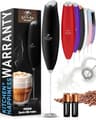
- A way to heat milk that does not need a second pan. This is where most kitchens fall short. An electric jug frother heats and froths in one step and works no matter what makes the coffee; a handheld whisk froths milk you have already heated, for a fraction of the price.
- A tall-ish glass or cup, ideally see-through.A mocha is a layered drink and looks like one. A double-walled glass keeps it hot without making the outside too hot to hold — cup sizing covers why the vessel matters more for milk drinks than for espresso.
- Nothing chocolate-specific. There is no mocha attachment worth buying. Cocoa powder, sugar and a spoon are the rest of the kit, and a bar of good dark chocolate is a better upgrade than any gadget.
The gear, picked for this drink
Four things, in the order a kitchen usually needs them. Prices are pulled live and dated on each button.