Drip & Dose

The Best Coffee for a Moka Pot

A moka pot sets the dose for you, which leaves the bag and the grind as the only things left to choose. Six whole-bean coffees that suit a stovetop brewer, a decaf among them, and a plan for the household with no grinder.

By Stephen V.Last updated How we choose
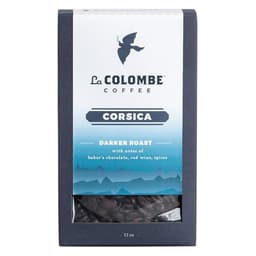
La Colombe Corsica Dark Roast (whole bean, 12 oz)

Our top pick — Best overall for moka

La Colombe Corsica Dark Roast (whole bean, 12 oz)

$12.89 · View on Amazon

Price as of September 17, 2026. #ad How we’re funded

La Colombe’s Corsica is the one pick here whose listed specs name the moka pot as a brewer it suits: a heavy-bodied, slightly sweet dark roast that stands up to milk, at supermarket money. Hand it over with a moka pot and the whole gift still costs less than a nice dinner — just make sure they can grind whole beans first.

A bag of coffee is the natural partner to a moka pot gift, and the easy present for someone who already owns one. But a moka pot differs from almost every other brewer in one way that changes what you should buy: nobody chooses how much coffee goes in. Bialetti’s own instructions are to fill the base with water no higher than the safety valve and to fill the funnel “generously” with coffee “up to the edge”, level and unpressed. The pot fixes the dose and the water. What is left to decide is the coffee in the funnel and how finely it is ground.

That is why this list leans toward bags with body — dark and medium roasts that suit the small, strong, concentrated cup a stovetop pot makes, and that hold their own when it is topped up with milk. It also explains what is not here: the very light, delicate coffees built for a paper filter, which have nowhere to hide in a moka pot and are better given to a pour-over drinker.

Every pick below is sold as whole beans. That is ideal if the person you are buying for grinds their own, and a genuine problem if they do not — the grind is the thing that most often goes wrong in a moka pot, and there is a section below on exactly what to do about it. Prices are pulled live. If you are buying the pot as well, best moka pots sorts them by cooktop and size; if they own an espresso machine instead, best espresso beans is the list built for that.

How this is funded:we earn a commission if you buy through our links, at no extra cost to you. It never changes which gift we recommend, and we’ll tell you plainly when to skip one. Full disclosure.

Quick picks

Sorted by who each one suits, with a live price you can act on. Tap a row to jump to the full write-up. We haven’t lab-tested these — here’s exactly what we do instead.

#ProductBest forPrice
1
La Colombe Corsica Dark Roast (whole bean, 12 oz)

La Colombe Corsica Dark Roast (whole bean, 12 oz)

A dark roast with cafe pedigree behind it — heavy-bodied and slightly sweet, and the blend La Colombe built a reputation on. It is the most cafe-tasting bag you can pick up at supermarket money.

Best overall for moka
$12.89 · View on Amazon

Price as of September 17, 2026. #ad How we’re funded

2
Lavazza Super Crema Whole Bean (2.2 lb)

Lavazza Super Crema Whole Bean (2.2 lb)

A mild, creamy Italian espresso blend that's the default 'just works' bag for home machines. Forgiving, widely loved, and a safe bean gift for almost anyone with an espresso setup.

Best for everyday moka
$25.70 · View on Amazon

$26.995% off

Price as of September 17, 2026. #ad How we’re funded

3
Peet's Espresso Forte Whole Bean (dark roast)

Peet's Espresso Forte Whole Bean (dark roast)

A bold, dark, chocolatey espresso roast for people who like their coffee to actually taste strong. The pick for the bold-coffee lover on your list.

Best for moka lattes
$42.53 · View on Amazon

Price as of September 17, 2026. #ad How we’re funded

4
Illy Classico Whole Bean

Illy Classico Whole Bean

A smooth, balanced medium roast in Illy's unmistakable tin — polished, consistent, and an easy step up from grocery coffee. It looks and tastes like a gift.

Best for a gentler cup
$89.94 · View on Amazon

Price as of September 17, 2026. #ad How we’re funded

5
Stumptown Hair Bender Whole Bean

Stumptown Hair Bender Whole Bean

Stumptown's flagship blend — versatile, a little fruity, and the beans a lot of people fall for when they first taste specialty coffee. An affordable, credible bean gift.

Best if they own other brewers
$18.95 · View on Amazon

Price as of September 17, 2026. #ad How we’re funded

6
Kicking Horse Decaf Swiss Water Process, Dark Roast (10 oz)

Kicking Horse Decaf Swiss Water Process, Dark Roast (10 oz)

Organic, fair-trade whole beans decaffeinated with the Swiss Water Process, which uses water and carbon rather than a chemical solvent. It is the decaf we would put in a gift bag without qualification.

Best stovetop decaf
$11.69 · View on Amazon

$13.9916% off

Price as of September 17, 2026. #ad How we’re funded

The picks in full

#1Best overall for moka

La Colombe Corsica Dark Roast (whole bean, 12 oz)

A dark roast with cafe pedigree behind it — heavy-bodied and slightly sweet, and the blend La Colombe built a reputation on. It is the most cafe-tasting bag you can pick up at supermarket money.

Great gift for: A good pairing gift: hand it over with a French press or a moka pot and the whole thing costs less than a nice dinner.

What’s good

  • Cafe-quality dark roast at a genuinely low price
  • Heavy body stands up well to milk
  • Excellent in a French press or moka pot

Worth knowing

  • Dark and bold — not for someone who likes a delicate cup
  • Skip it for a light-roast pour-over drinker
RoastDark
Best forFrench press, moka pot, drip
Size12 oz

Specs read from the product listing, on August 11, 2026. Prices are pulled live and dated on the button.

#2Best for everyday moka

Lavazza Super Crema Whole Bean (2.2 lb)

A mild, creamy Italian espresso blend that's the default 'just works' bag for home machines. Forgiving, widely loved, and a safe bean gift for almost anyone with an espresso setup.

Great gift for: A can't-go-wrong bag for anyone with an espresso machine or moka pot — mild, crema-rich, and crowd-pleasing.

What’s good

  • Smooth, low-bitterness, crema-forward
  • Big 2.2 lb bag — great value
  • Consistent and easy to dial in

Worth knowing

  • Too mild for someone who loves bold, dark, punchy coffee
  • Skip it for a light-roast specialty drinker
RoastMedium
Best forEspresso, milk drinks
Size2.2 lb whole bean

Specs read from the product listing, on July 25, 2026. Prices are pulled live and dated on the button.

#3Best for moka lattes

Peet's Espresso Forte Whole Bean (dark roast)

A bold, dark, chocolatey espresso roast for people who like their coffee to actually taste strong. The pick for the bold-coffee lover on your list.

Great gift for: For the person who orders the darkest thing on the menu — rich, intense, unapologetic.

What’s good

  • Deep, dark, chocolate-forward flavor
  • Cuts beautifully through milk in a latte
  • Widely available and consistent

Worth knowing

  • Too intense for someone who likes light, fruity coffee
  • Skip it for a mild-coffee drinker
RoastDark
Best forEspresso, milk drinks
FlavorBold, chocolatey

Specs read from the product listing, on July 25, 2026. Prices are pulled live and dated on the button.

#4Best for a gentler cup

Illy Classico Whole Bean

A smooth, balanced medium roast in Illy's unmistakable tin — polished, consistent, and an easy step up from grocery coffee. It looks and tastes like a gift.

Great gift for: The tin alone makes it feel like a present; the coffee inside is a reliable, smooth crowd-pleaser.

What’s good

  • Smooth, balanced, low-acidity cup
  • Handsome pressurized tin keeps beans fresh
  • Works for espresso and drip alike

Worth knowing

  • Premium price per pound
  • Skip it for someone chasing bold single-origin character
RoastMedium
Best forEspresso + drip
PackagingPressurized tin

Specs read from the product listing, on July 25, 2026. Prices are pulled live and dated on the button.

#5Best if they own other brewers

Stumptown Hair Bender Whole Bean

Stumptown's flagship blend — versatile, a little fruity, and the beans a lot of people fall for when they first taste specialty coffee. An affordable, credible bean gift.

Great gift for: A great gateway gift to specialty coffee — approachable, well-known, and reasonably priced.

What’s good

  • Versatile across espresso, pour-over and drip
  • A famous, well-loved specialty blend
  • Reasonable price for third-wave beans

Worth knowing

  • More character than a very mild drinker may want
  • Skip it for someone who only likes classic dark Italian roasts
RoastMedium
Size18 oz whole bean
Best forEspresso, pour-over, drip
RoasterSpecialty (Stumptown)

Specs read from the product listing, on August 15, 2026. Prices are pulled live and dated on the button.

#6Best stovetop decaf

Kicking Horse Decaf Swiss Water Process, Dark Roast (10 oz)

Organic, fair-trade whole beans decaffeinated with the Swiss Water Process, which uses water and carbon rather than a chemical solvent. It is the decaf we would put in a gift bag without qualification.

Great gift for: For anyone who has cut back on caffeine and is fed up with being handed something stale and papery.

What’s good

  • Swiss Water decaffeination — no chemical solvents involved
  • Sold as whole beans, so it can be ground fresh like any other coffee
  • Certified organic and fair-trade

Worth knowing

  • A dark roast, so it will not suit someone who likes bright, fruity coffee
  • Skip it if they own no grinder — buy a ground decaf instead
RoastDark
Decaf methodSwiss Water Process
FormatWhole bean, 10 oz

Specs read from the product listing, on August 11, 2026. Prices are pulled live and dated on the button.

Why a moka pot changes what you should buy

With most brewers, strength is a dial you turn with the scoop. The National Coffee Association gives a range for a French press or a pour-over precisely because you can use more coffee or less — our coffee to water ratio guide sets those ranges out method by method. A moka pot takes that dial away. The water stops at the valve, the basket is filled to the brim, and Bialetti is explicit that you should not go past the valve line “in order to avoid making a coffee that is too watery”.

So in a moka pot, the only ways to change how the coffee tastes are the bean, the roast and the grind. That makes the bag matter more, not less. A coffee that tastes a little harsh in a moka pot cannot be softened by using less of it; it has to be swapped for a different coffee. That is the practical reason to buy for a moka pot deliberately rather than grabbing whatever is on offer.

Moka coffee isn’t espresso — so why are half these bags labeled for it?

Worth being straight about, because the boxes call moka pots “stovetop espresso makers”. The National Coffee Association defines espresso by pressure: nearly boiling water forced through a fine grind — “like table salt” — under high pressure, in 20 to 30 seconds, with crema as “the velvety, golden-brown top layer”. A moka pot pushes water up through the coffee with steam pressure from the base, which is far gentler. The result is strong, dark and concentrated, but it is its own drink, and a standard pot does not make true crema. Our moka pot vs espresso machine comparison covers the difference in full.

Espresso blends still suit a moka pot, for a simple reason: a roaster designs them for a small, intense cup that is often drunk with milk, and that is also what a moka pot makes. So “espresso” on a bag describes what the blend was built for, not a machine you need to own. What does not carry over is the grind. A bag ground for an espresso machine is finer than a moka pot wants, which is the subject of the next section.

One honest note on the Lavazza pick: the “Crema” in its name refers to what it does in an espresso machine. In an ordinary moka pot you are buying it for the smooth, mild cup, not for a foam layer. If crema is what they are after, the pot is the thing to change — the Bialetti Brikka on our moka pot list is designed for it.

The grind is where moka coffee goes wrong

If there is one thing to pass on with a bag of beans for a moka pot, it is this. Bialetti’s guidance is that ground coffee for a moka “must have a medium grain, coarser than the blend for espresso, otherwise the water would have trouble passing through the powder” — and that this “could lead to a burnt, bad-tasting coffee”. Elsewhere on the same page Bialetti puts it as “a medium to coarse grain”. In plain terms: coarser than espresso, not a powder.

Too fine, and the water struggles through the basket, the pot sputters, and the cup turns bitter and burnt-tasting. Too coarse, and the water finds an easy path through and the cup comes out thin. Bialetti gives a simple check anyone can do: rotate the cup before drinking, and “if there is an abundant residue of powder on the bottom, it means that the mixture was too fine.”

Two other things from the same guidance are worth knowing. The coffee goes into the funnel loose — Bialetti says to avoid creating a mound and “do not press it down”, which is the opposite of tamping an espresso basket. And an even grind matters, because a mix of dust and chunks behaves like a grind that is too fine and too coarse at once. That is why a burr grinder suits a moka pot far better than a blade grinder: burr vs blade explains why, and the grind size guide shows where a moka pot sits among the other brewers.

Every pick is whole bean — here’s the plan if they have no grinder

All six bags on this page are sold as whole beans, and it is worth saying so plainly because a bag of beans handed to someone with no grinder is not a gift, it is an errand. Before you buy, answer one question: have you seen a grinder in their kitchen? If yes, buy any of the picks above and you are done. If no, you have three honest options.

  • Add a hand grinder to the gift. This is the complete version of the present, and it lets them choose the medium grind a moka pot wants rather than living with whatever a bag was ground to. Best manual coffee grinders has the picks; a bag, a grinder and a pot together make one of the most useful coffee gifts on this site.
  • Buy pre-ground coffee made for a moka pot.This exists — Bialetti sells its own pre-ground blend for moka pots — and it is the right call for someone who will never grind. The thing to avoid is a bag ground for espresso machines, which is the finer grind Bialetti warns against.
  • Can’t find out? Lean pre-ground. Pre-ground moka coffee given to someone who owns a grinder is a small compromise; whole beans given to someone without one are unusable until they buy something. Whole bean vs ground coffee walks through that decision in full.

There is a freshness trade either way. The NCA puts roasted whole beans at about one to three weeks at room temperature and ground coffee at about one to two, and Bialetti makes the same point about moka coffee specifically: ground coffee “loses its characteristics, freshness and aroma, more quickly.” Whole beans ground just before brewing are the better coffee; pre-ground is the better present for someone who will not grind.

Which roast suits a stovetop pot

The traditional moka coffee is dark, and three of the six picks are dark roasts; the other three are mediums. The NCA describes dark roasts as shiny and oily on the surface. In a moka pot, that is the heavy, chocolatey, low-acid cup most people picture when they think of stovetop coffee. One myth worth correcting while you are choosing: the strong flavor of a dark roast, in the NCA’s words, “is not associated with caffeine levels”. A dark bag is not a bigger dose of caffeine; if anything, the NCA notes light roasts carry “a slightly higher amount”.

A way to choose without knowing much about their taste:

  • They drink it black and strong:the Corsica, or the Peet’s if they order the darkest thing on any menu.
  • They add milk:the Peet’s Espresso Forte, which its write-up notes cuts through milk in a latte, or the Corsica, whose heavy body stands up to it.
  • They have said moka coffee tastes harsh: the Illy Classico, a medium roast its write-up describes as a smooth, balanced, low-acidity cup.
  • They also own a pour-over or drip machine: the Stumptown Hair Bender, a medium blend listed as versatile across espresso, pour-over and drip, so the bag does not have to be assigned to one brewer.

Our light vs dark roast guide explains what the roast label is really telling you, and Lavazza vs Illy compares the two Italian names on this list side by side.

Coffee for a moka pot latte

A lot of moka pots are bought to make milky drinks at home, and it works well: the pot makes a small, concentrated coffee, and warm frothed milk turns it into a latte-style drink. What it does not do is froth the milk, so the pot needs a partner — best milk frothers has the inexpensive ones, and how to make a latte at home covers the method.

For the coffee, go darker rather than lighter. Milk softens and dilutes whatever it is poured into, and a delicate coffee can disappear under it. The Peet’s is the pick for this, the Corsica is the budget alternative, and the Lavazza is the mild option for someone who likes a soft, creamy latte rather than a strong one.

Buy a bag they’ll finish while it’s fresh

The NCA names coffee’s enemies as air, moisture, heat and light, and Bialetti lists much the same — “Air, water, humidity and heat are coffee’s biggest enemies”. A moka pot usually lives on or beside the stove, which is exactly where the coffee should not be kept. An airtight, opaque container in a cool cabinet does more for the last cup in the bag than trading up to a more expensive coffee would.

Bag size is the other half of this. A moka pot is often a one- or two-person brewer, and a very large bag can outlast its best weeks for a single drinker. The Lavazza’s big bag makes sense for a household that brews a full pot every morning; a smaller bag such as the Corsica is the better fit for one person. If a big bag is unavoidable, the NCA gives about three to four months for well-sealed beans in the freezer, and how to store coffee beans covers how to do that without ruining them.

Putting beans in a moka pot gift

The pairing is one of the easiest coffee gifts to get right. Choose the pot for their cooktop and for the number of cups they drink at once — since the funnel is always filled to the edge, a moka pot brews its full size every time — then add one bag from this list and, if you have not seen a grinder, a hand grinder or a pre-ground moka coffee. The moka pot roundup covers the cooktop and size questions in detail.

For someone who has cut back on caffeine, the Kicking Horse decaf keeps the ritual without the late-night buzz. The NCA says decaffeination removes roughly 97% of the caffeine, leaving about 2 to 15 mg in an 8 oz cup against about 95 mg for regular coffee. It is a dark roast, like the classic moka cup, and it is whole bean, so the grinder question applies here too. Our best decaf coffee list has more options, including ground ones.
Frequently asked questions

What is the best coffee for a moka pot?

Our top pick is La Colombe Corsica, a heavy-bodied dark roast whose listed specs name the moka pot as a brewer it suits, at a budget price. For milky drinks, Peet's Espresso Forte; for someone who finds moka coffee harsh, the smoother Illy Classico; and for a decaf, Kicking Horse's Swiss Water Process dark roast. All four are sold as whole beans.

What grind should I use for a moka pot?

Bialetti says ground coffee for a moka must have a medium grain, coarser than the blend for espresso, because otherwise the water has trouble passing through and the coffee can taste burnt. Bialetti's check: rotate the cup before drinking, and if there is an abundant residue of powder on the bottom, the grind was too fine. Fill the funnel loosely and do not press it down.

Can you use espresso beans in a moka pot?

Yes. Espresso blends are designed for a small, concentrated cup, often with milk, which is also what a moka pot makes. The bean is fine; the grind is the catch. Coffee ground for an espresso machine is finer than Bialetti recommends for a moka pot, so grind espresso beans to a medium grind yourself or buy coffee pre-ground specifically for moka.

Should I buy whole bean or ground coffee for a moka pot?

Whole bean if they own a grinder, ideally a burr grinder that can produce an even medium grind. If they do not, either include a hand grinder in the gift or buy coffee pre-ground for moka pots, avoiding bags ground for espresso machines. The NCA gives about one to three weeks at room temperature for whole beans and about one to two weeks for ground coffee.

Is dark roast best for a moka pot?

It is the traditional choice and the safest gift, because a dark roast gives the heavy, chocolatey, low-acid cup people expect from a stovetop pot and holds up to milk. A smooth medium roast is the better pick for someone who finds moka coffee harsh. Dark roast is not higher in caffeine: the NCA says its strong flavor is not associated with caffeine levels.

What is the best coffee for a moka pot latte?

A darker roast with body, because milk dilutes and softens the coffee. Peet's Espresso Forte is our pick for milk drinks, with La Colombe Corsica as the budget alternative and Lavazza Super Crema for a milder, creamier latte. A moka pot does not froth milk, so pair it with a milk frother.

Sources

  • Bialetti — Ground coffee for Moka should never be pressed!Bialetti: "Unlike the ground coffee used with professional coffee machines, ground coffee for Moka must have a medium grain, coarser than the blend for espresso, otherwise the water would have trouble passing through the powder"; "ground coffee for Moka must have a medium to coarse grain"; if the cup shows "an abundant residue of powder" on the bottom, the grind was too fine; "It is important not to go beyond the level of the safety valve"; fill the funnel to the edge and "do not press it down" (accessed September 18, 2026)
  • National Coffee Association — EspressoNCA on espresso: high pressure forcing nearly boiling water through a fine grind ("like table salt"), a 1:2 ratio of dry coffee to brewed espresso, 20–30 seconds of contact, crema as "the velvety, golden-brown top layer", and a machine, scale and grinder as the equipment (accessed August 18, 2026)
  • National Coffee Association — RoastsNCA on roast levels: light roasts are matte with no surface oil and "a slightly higher amount of caffeine"; dark roasts are shiny and oily, and the NCA notes the strong flavor of dark roast "is not associated with caffeine levels" (accessed August 11, 2026)
  • National Coffee Association — Storage and Shelf LifeNCA on coffee's "greatest enemies" — air, moisture, heat and light — plus shelf-life figures: roasted beans 1–3 weeks at room temperature, ground coffee 1–2 weeks, frozen beans 3–4 months (accessed August 11, 2026)
  • National Coffee Association — Decaf CoffeeNCA on decaffeination: the process removes roughly 97% of the caffeine, leaving about 2–15 mg per 8 oz cup against about 95 mg for regular coffee (accessed August 11, 2026)

Keep reading