Buy the roast level, not the brand
If you take one thing from this page, take this: roast level changes the drink far more than the name on the bag. The National Coffee Association describes light roasts as matte with no oil on the surface and carrying a slightly higher amount of caffeine, and dark roasts as shiny and oily — and it is explicit that the strong flavor of a dark roast is not associated with caffeine levels. That one sentence settles the most common argument in coffee gifting. Dark roast is not stronger coffee. It is more roast flavor.
In practice:
- Dark roast tastes of chocolate, toast and smoke. It is the safe choice for anyone who drinks their coffee with milk, and for anyone who learned to like coffee at a diner.
- Medium roast is the middle ground almost nobody dislikes, which is exactly why our top pick is one. Our medium roast page goes deeper on that band.
- Light roast tastes of fruit and tea, and can read as sour to somebody expecting a dark cup. Give it to the person who already talks about coffee, not to the person who just drinks it.
If you know nothing else about them, a medium roast from a roaster they recognize is the highest-probability coffee gift on this site.
The second question: do they own a grinder?
Whole beans are better, and every bag on this page is sold whole. But whole beans are useless to somebody without a grinder, and a surprising number of people who drink good coffee do not own one. Two honest routes:
If they have a grinder, buy whole beans and buy them small. The NCA puts roasted beans at one to three weeks at room temperature and ground coffee at one to two weeks, so a 12 oz bag drunk in a fortnight beats a five-pound sack that goes flat in the cupboard. A canister helps for the same reason — air, moisture, heat and light are what the NCA calls coffee’s greatest enemies.
If they do not, do not gift whole beans as a hint. Buy pre-ground, which we sort separately on our ground coffee under $25 page, or buy the grinder as the present instead and put a bag beside it. Our grinder picks start well under the cost of a decent espresso machine, and a grinder improves every cup they make after it rather than just the next twelve.
Match the bag to the brewer, if you know it
Where you do know what sits on their counter, the pick gets easier and the gift gets better. We keep a page per brewer for exactly that reason:
- Drip machine— a medium or dark roast, ground medium like kosher salt if you are buying it ready-ground. See coffee for drip coffee makers.
- Espresso machine— a bag sold as espresso, which is a roast-and-blend decision rather than a different kind of bean. Lavazza Super Crema is the default for a reason; the rest are on best espresso beans.
- French press— something with body that can take a coarse grind. Our picks.
- Pour-over— this is where a light roast earns its keep. Our picks.
- Pods — beans are the wrong gift entirely. Buy pods that fit their machine instead, because a capsule that fits the wrong system is not a worse cup, it is no cup.
Why these six and not six others
1. A bag you can hand to a stranger
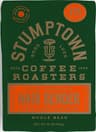
Hair Bender is the top pick because it is the least risky good bag on the site. It is a medium-roast blend, it is widely recognized, and Stumptown sells it as an everything coffee rather than a single-method specialty lot. If the gift has to work without you knowing anything about the recipient, that is the brief.
2. A cheap bag we would actually serve
Three Sisters is the budget pick, not a consolation pick. It is a medium roast, it carries Kicking Horse’s own organic and fair-trade labeling, and it costs a fraction of the splurge at the bottom of this list. If you are building a basket, this is the bag that leaves room for the mug.
3. One bag per kind of drinker
Strong-and-dark, light-and-fruity, espresso and splurge. There is no second version of the same idea here, and no bag on this page is a slightly different size of another one — that is the most common way a roundup wastes your time.
4. A splurge that reads as a present
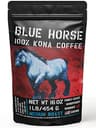
Kona is the one bag here that looks expensive when they open it, because 100% Kona is grown in a small region of Hawaii and priced accordingly. If you want the gift to feel like an occasion rather than a restock, that is the lever to pull — and our Kona page explains how to avoid paying Kona prices for a 10% blend.
5. No tasting notes we did not read off the bag
We have not cupped these side by side and we have not scored them. Where this page describes how a coffee tastes, it is the roaster’s own published description or the roast level’s well-documented character — never a number we invented. That policy is written out on how we choose.
What to buy, by recipient
- You know nothing about their setup— Hair Bender, the small bag, whole bean if they grind and ground if you have ever seen a pre-ground bag in their kitchen.
- Drinks a big mug with milk, every morning— Peet’s Major Dickason’s. It is built for exactly that cup.
- Talks about coffee— Onyx Geometry. A light roast from a roaster with a reputation is a compliment to their taste.
- Owns an espresso machine — Lavazza Super Crema, plus a grinder that can actually grind for it if you are feeling generous.
- Hard to buy for, big budget— the Kona. It is the one bag here that nobody buys for themselves.
- You want it to be more than a bag— pair any of these with a mug, or start from our unique coffee gifts.
One last honest note on quantity. A bigger bag is not a better gift. Coffee is perishable, the NCA’s shelf-life figures are measured in weeks rather than months, and a two-pound sack is a slow way to drink stale coffee. Two small bags of different roasts make a better present than one big bag of either.